
We’ve all heard the old camping joke that "smoke follows beauty," but when you’re hosting a dinner party and your guests are constantly playing musical chairs to avoid a face full of ash, the joke wears thin.
Because a fire pit is an open-air feature, it lacks the one thing that controls air direction: A Flue. Without a chimney to create a vertical draw, your fire is at the mercy of every breeze. Here is the science of why smoke "chases" your guests and how you can fix it.
Quick Summary: the science of why smoke "chases" your guests and how you can fix it
-
The Problem: Wind and air pressure "push" smoke horizontally rather than letting it rise vertically.
-
The Technical Truth: Low-pressure zones created by seating (and people) actually pull smoke toward them.
-
The Fix: Move to a "Top-Down" burn and create a "wind-break" layout.
The Technical Problem: Why Smoke "Chases" You
It’s not just bad luck. There is a physical reason smoke seems to target people sitting around a fire pit:
-
The Vacuum Effect: As a person sits near a fire, they block the wind. This creates a small low-pressure zone directly in front of them. The smoke, looking for the path of least resistance, is "sucked" into that low-pressure gap—straight toward your face.
-
The "Cold Plug" of Air: In an open pit, the heat is often not concentrated enough to "punch" through the heavy, cold air sitting above it. Instead of rising in a straight column, the smoke gets trapped low to the ground and drifts sideways with the slightest draft.
How to Fix the Smoke Drift
1. The "Top-Down" Lighting Method
The smokiest part of any fire is the beginning. Most people put kindling on the bottom and logs on top. This "smothers" the flame, creating a slow, smoky start.
-
The Fix: Place your largest logs on the bottom and your kindling on the very top. As the kindling burns, it creates a high-heat zone at the top of the pit immediately. This pre-warms the air above the pit, creating a "thermal chimney" that pulls smoke straight up before the big logs even start to burn.
2. Increase the "Burn Rate"
Smoke is simply unburnt fuel. If your fire is hot enough, it will consume the smoke particles before they leave the pit.
-
The Fix: Use dry, seasoned hardwood and avoid "over-stuffing" the pit. More wood doesn't always mean a better fire; it often just means more smoke. Keep a focused, high-heat centre to maintain a vertical heat column.
3. The "Two-Thirds" Seating Rule
If you know the wind is coming from the West, don't place your seating in a perfect circle.
-
The Fix: Arrange your seating in a "U" shape, leaving the "downwind" side open. This allows the smoke to drift away into the garden without hitting a "human vacuum" that pulls it back into the seating area.
The Permanent Solution: Directional Control
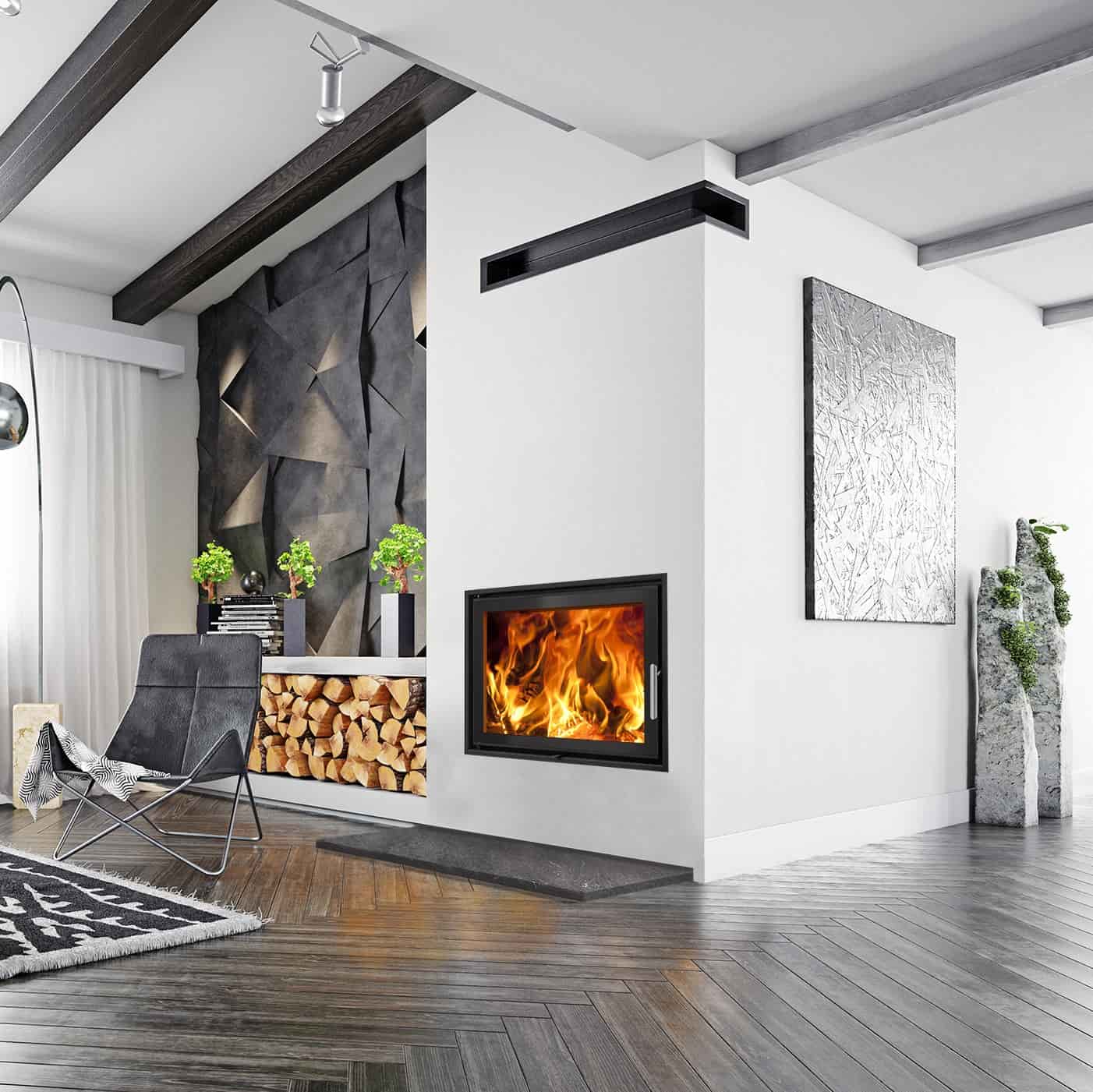
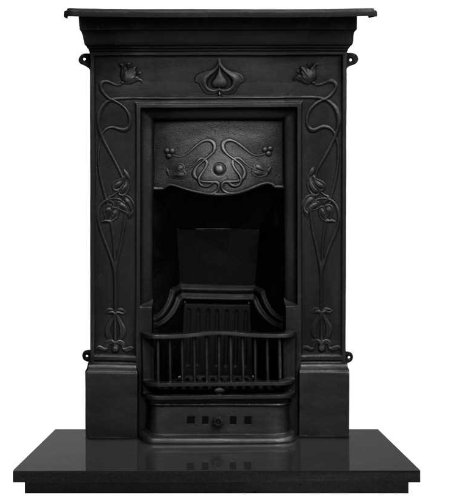
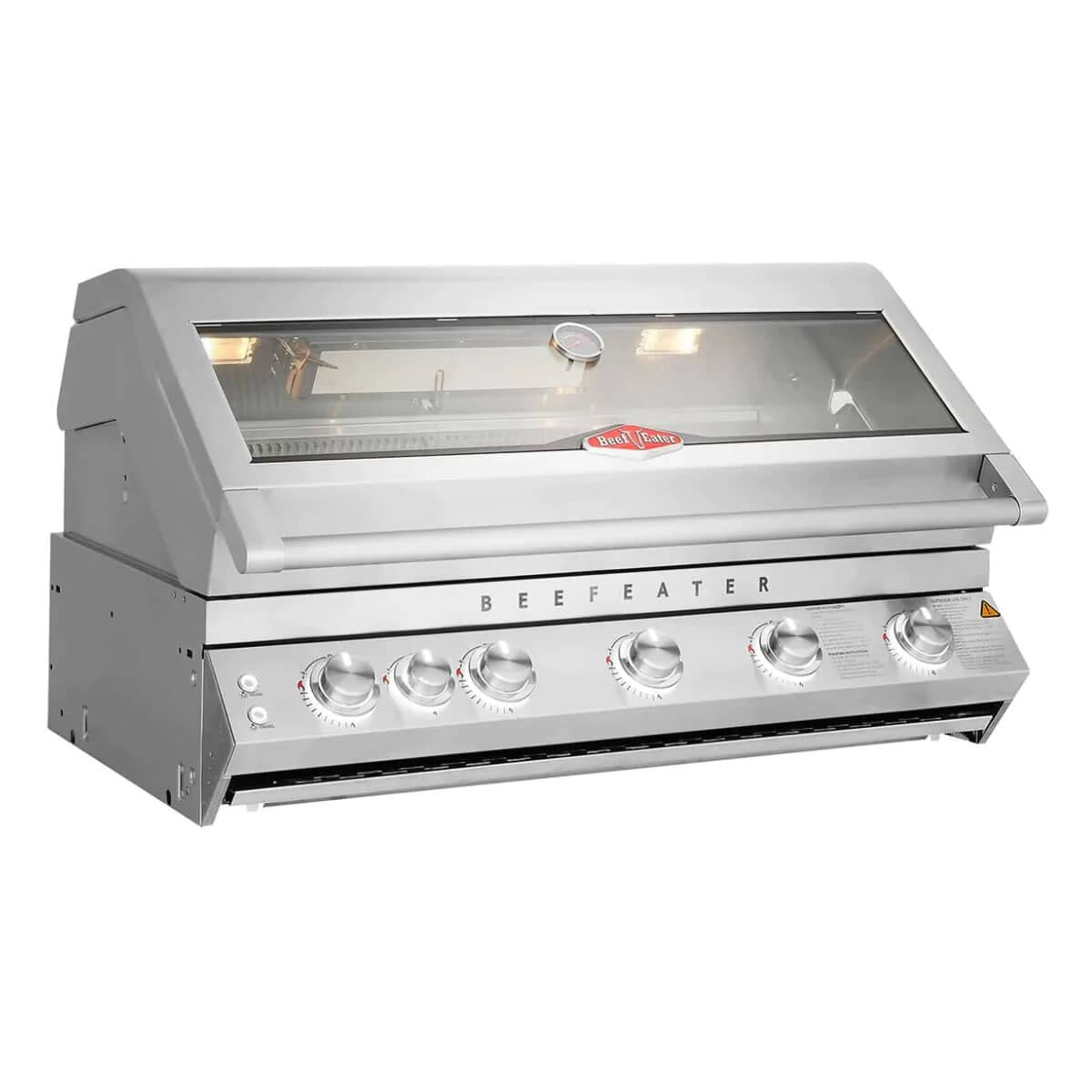
If your garden is particularly windy, an open fire pit will always be a struggle. This is the primary reason why many homeowners eventually upgrade to an Outdoor Fireplace or Masonry BBQ.
-
The Chimney Advantage: A chimney (flue) uses the "Stack Effect." It creates a permanent low-pressure zone inside the pipe, which mechanically forces smoke upward, regardless of which way the wind is blowing on the patio.
-
The Three-Sided Shield: By enclosing the fire on three sides, a masonry structure prevents the wind from "flattening" the fire and pushing smoke sideways.
Pitmaster Tip: The "Water Vapour" Myth
Many people think "steam" from damp wood is harmless. In reality, steam is heavy and "sticky"—it grabs onto soot particles and carries them further sideways at head-height. Always use wood with under 20% moisture to ensure the smoke stays light enough to rise.