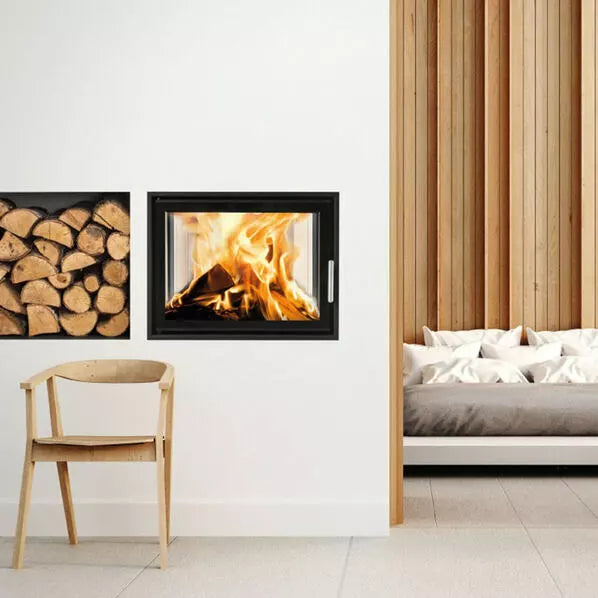



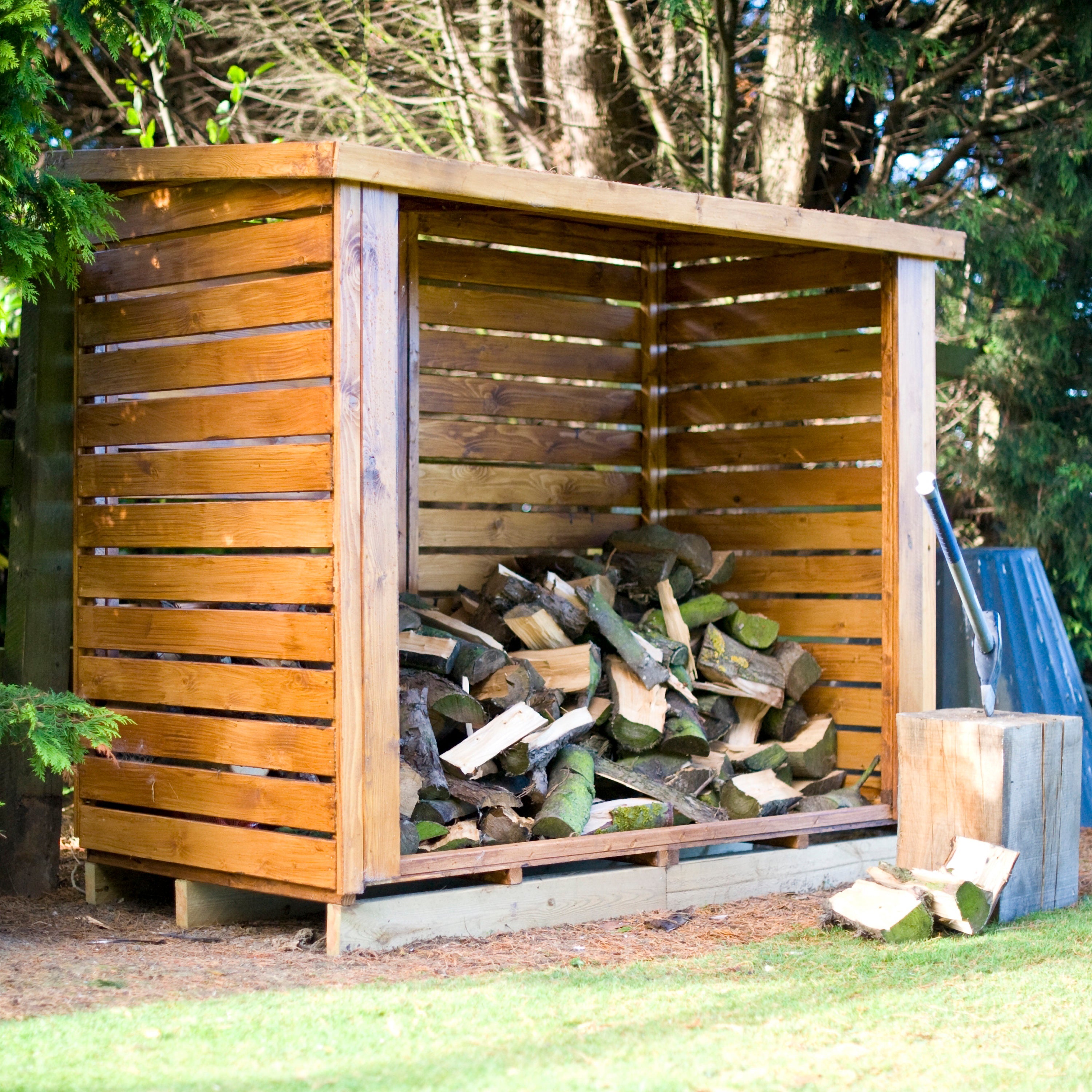
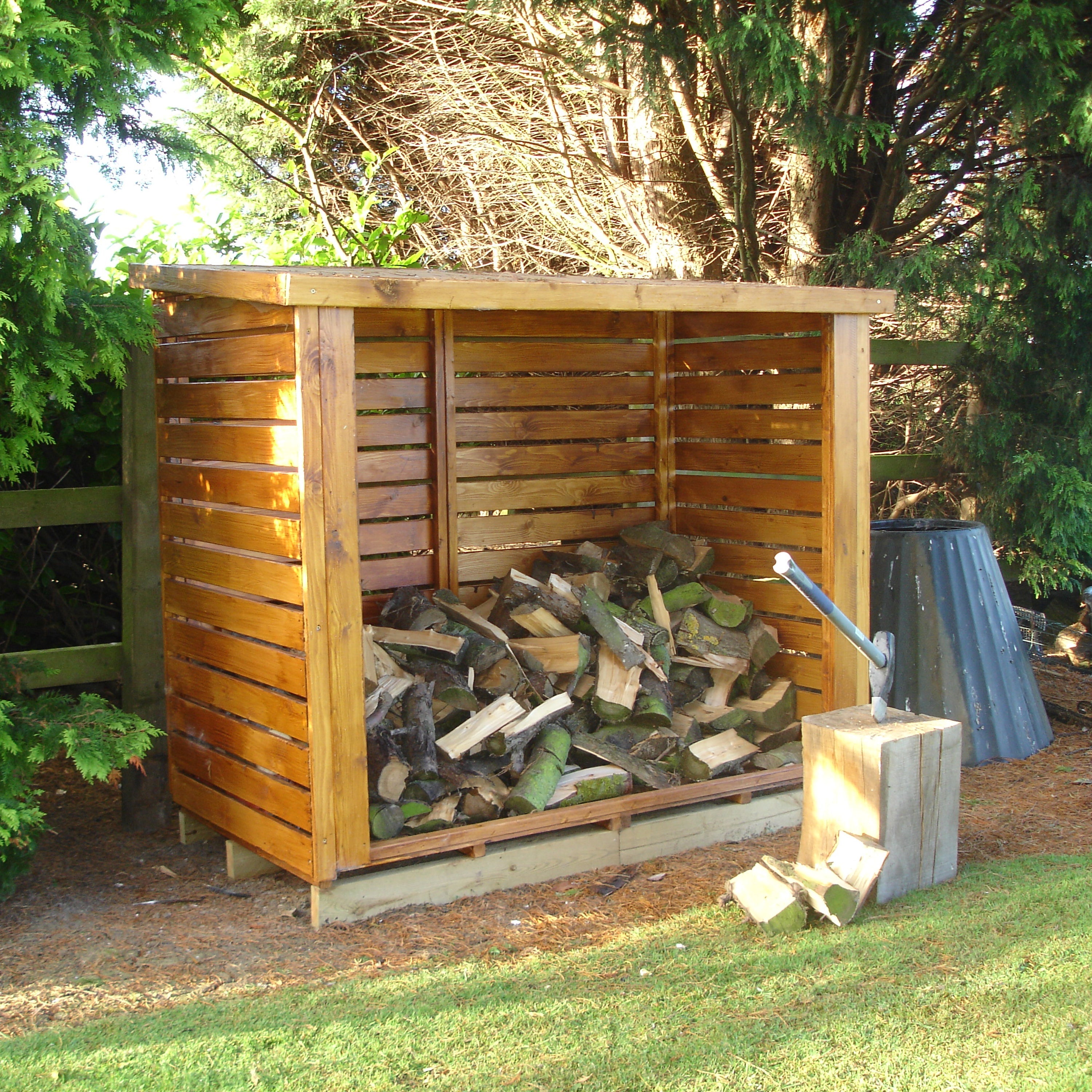
A log store is one of those things you don’t think much about until you really need it. When the weather turns, and you're reaching for firewood, having dry, neatly stacked logs ready to go makes all the difference. It keeps your garden looking organised and takes the frustration out of lighting a fire when you want warmth, not extra work.
What Are Log Stores
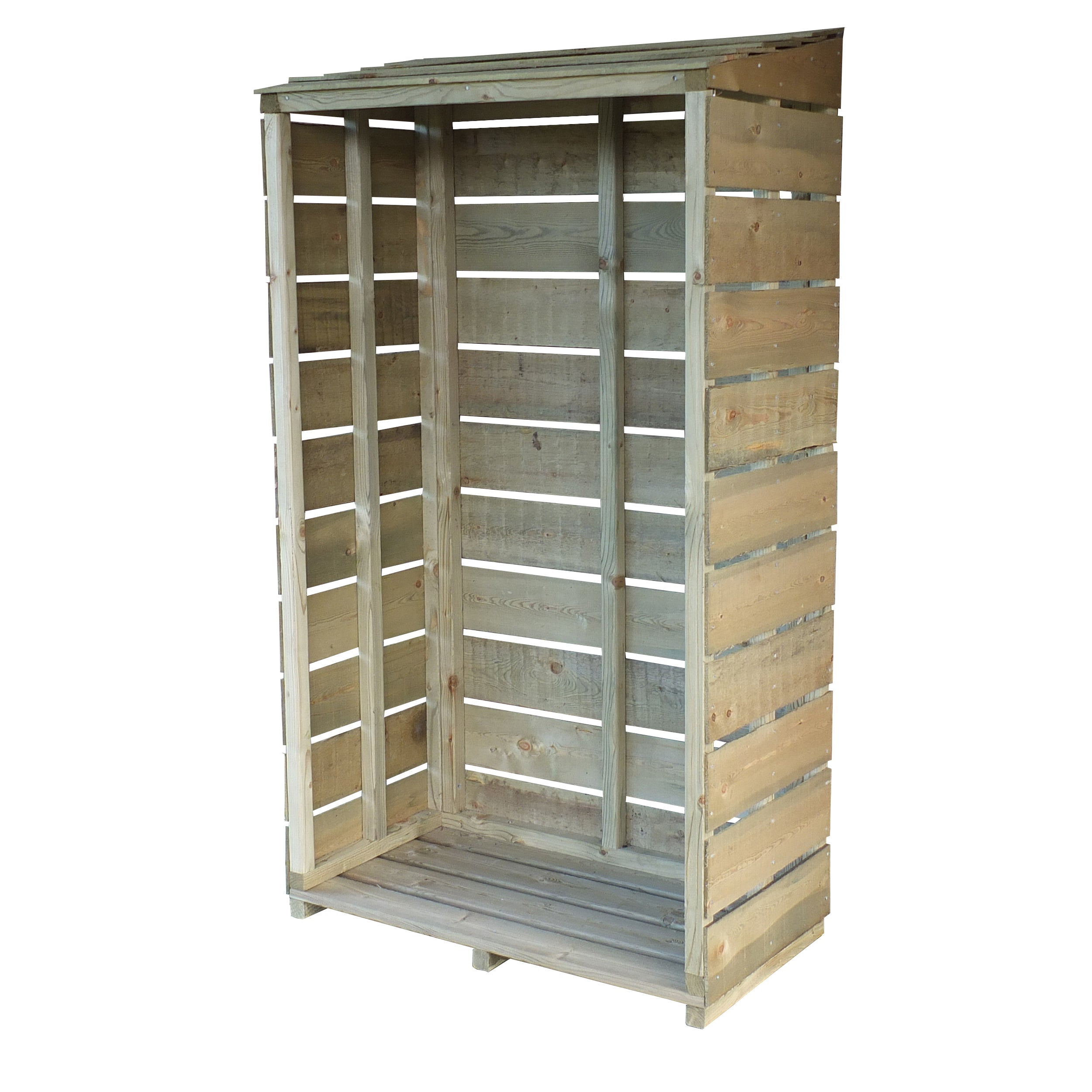
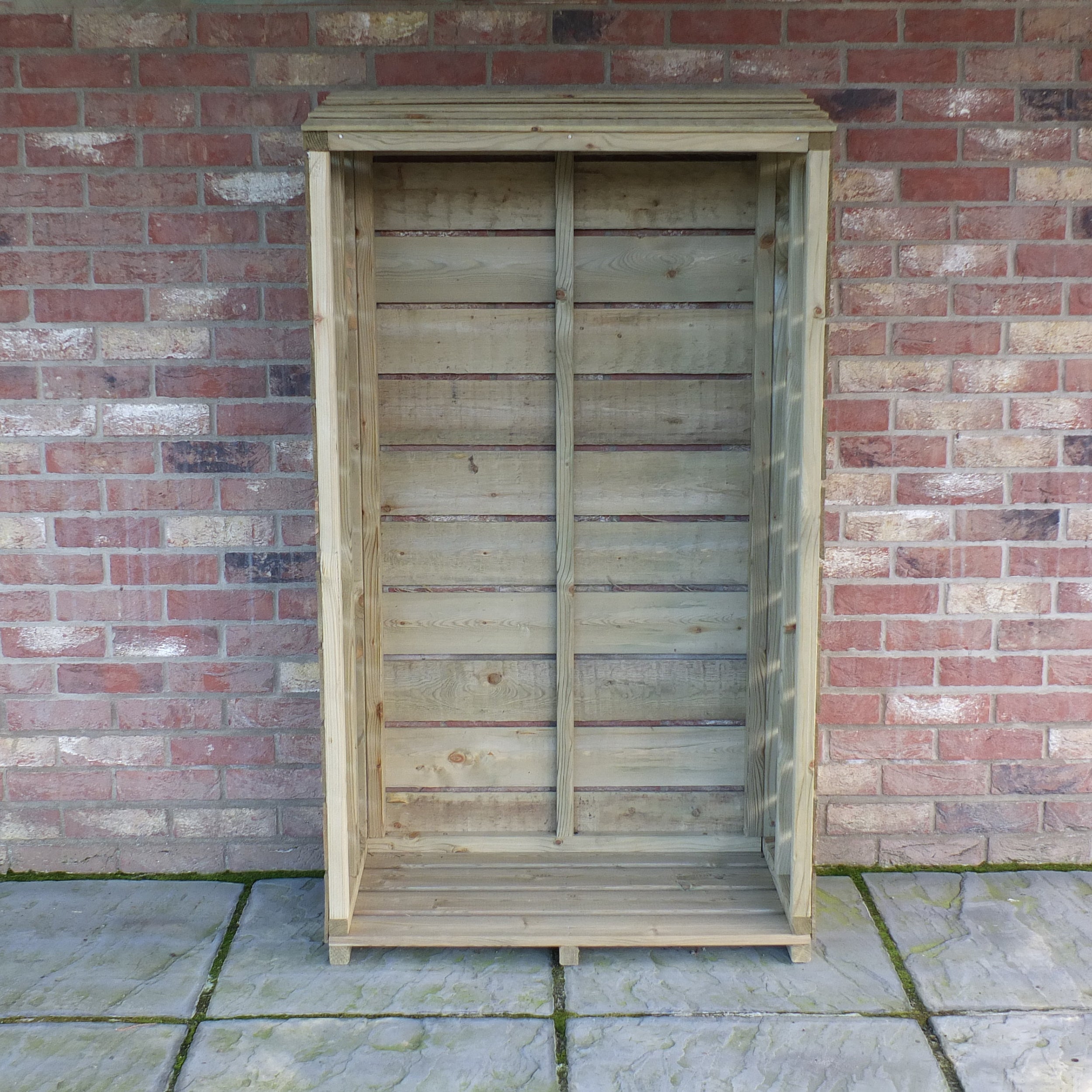
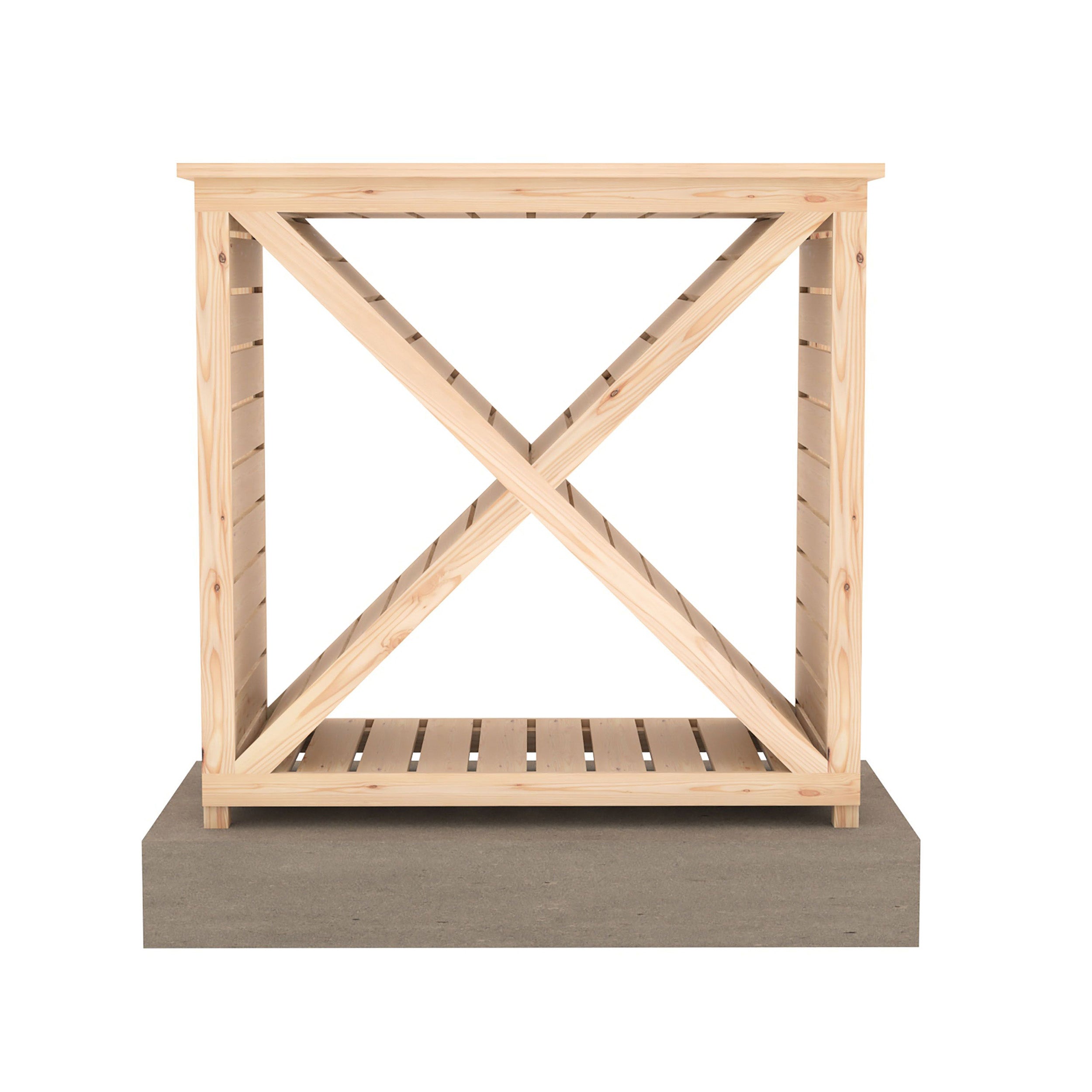
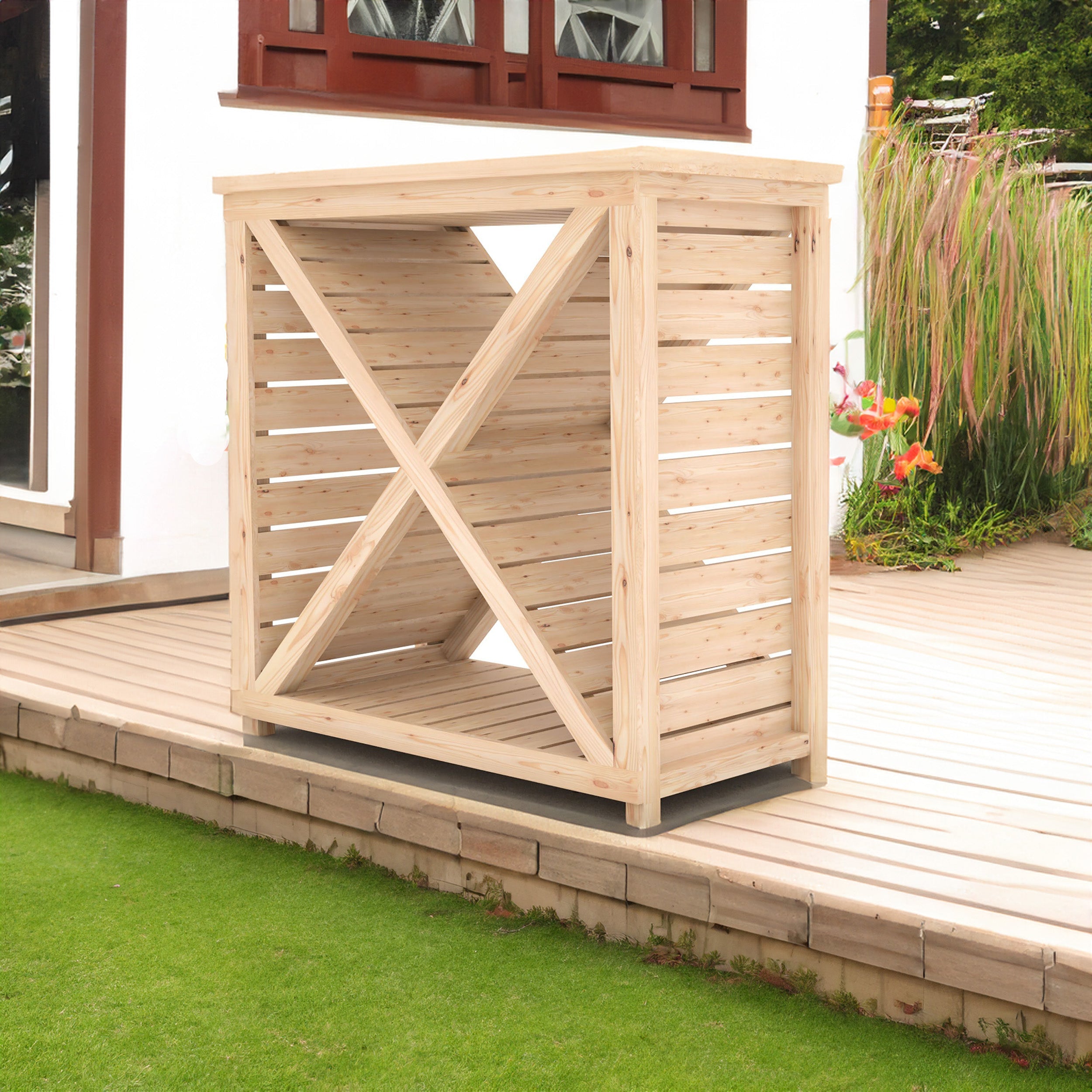
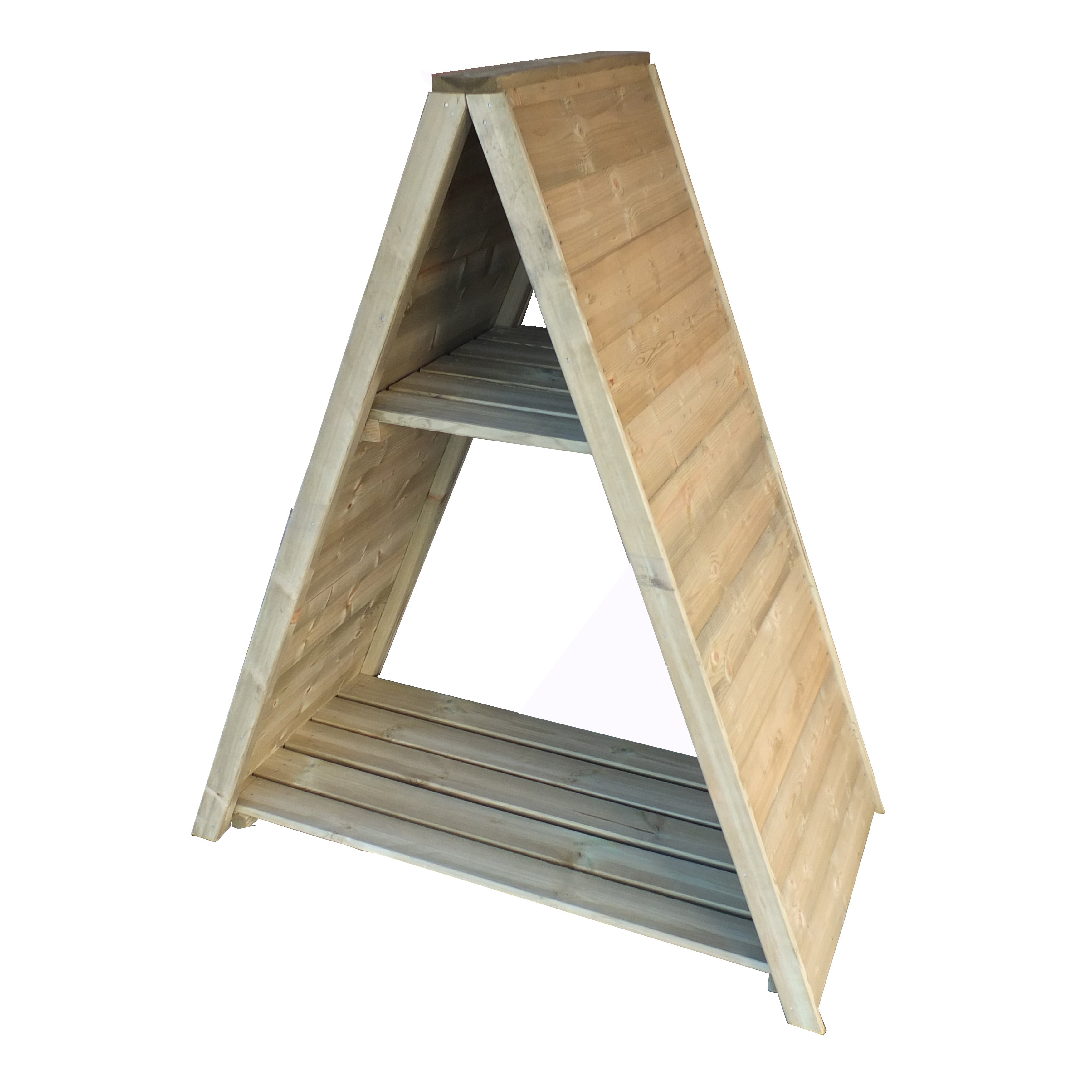
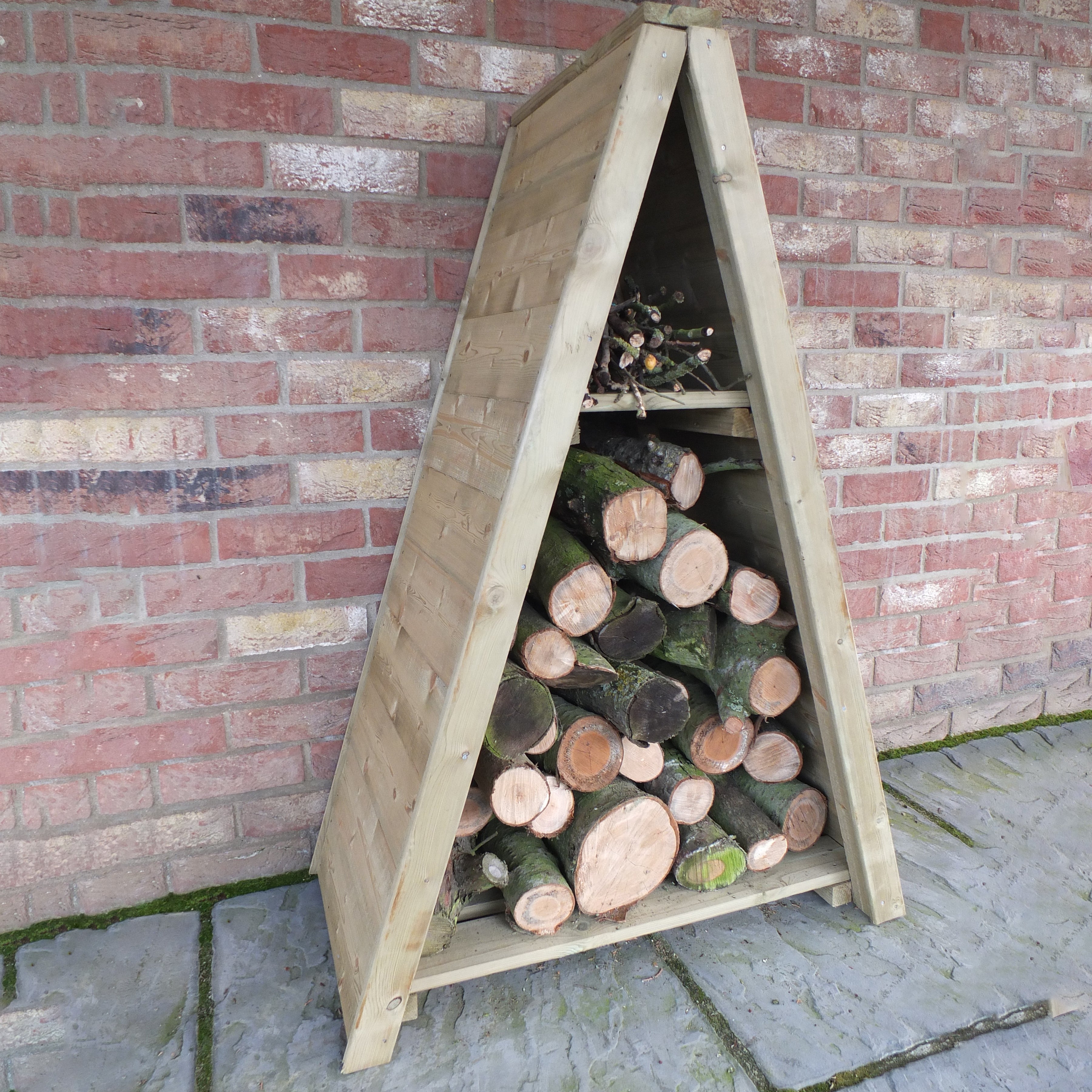
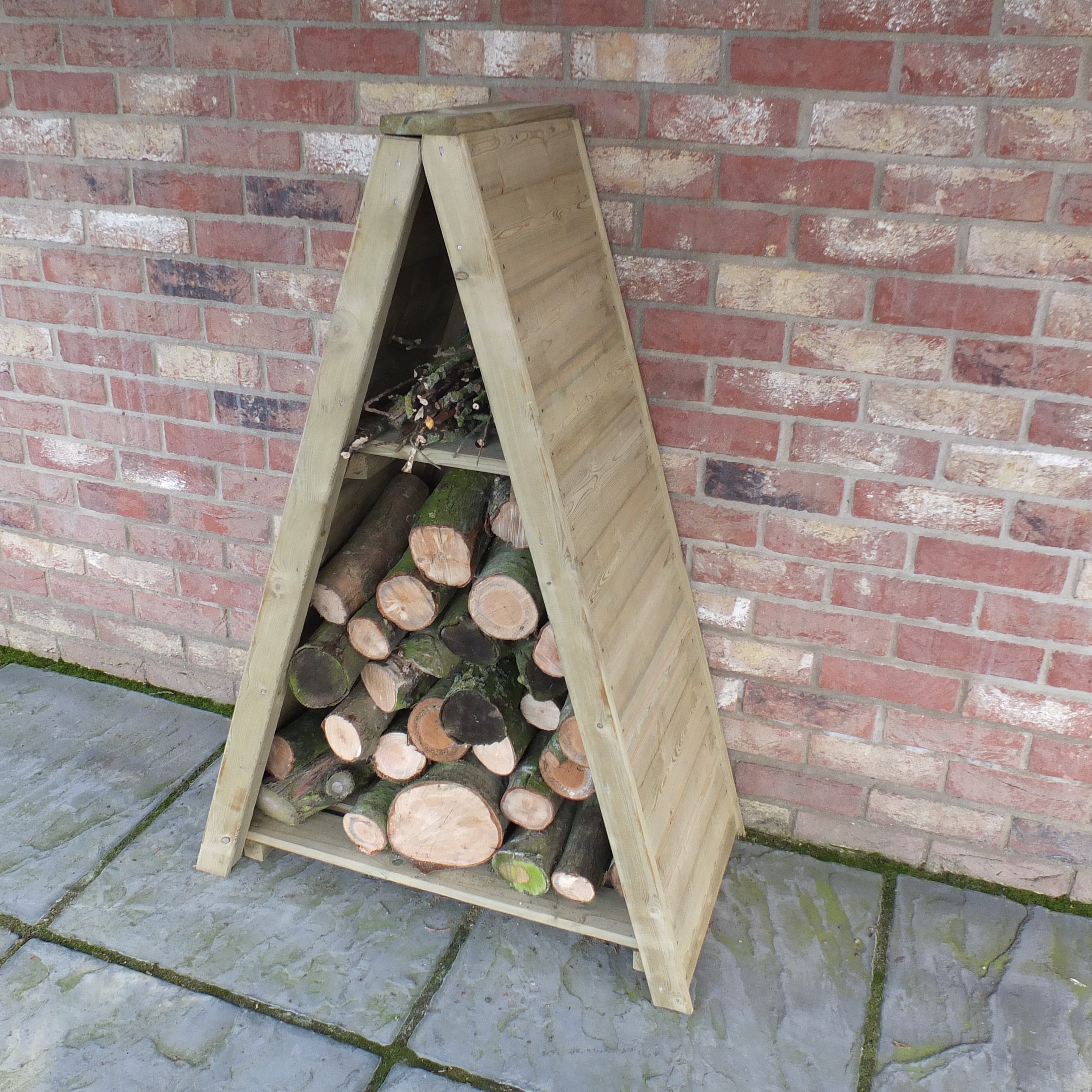
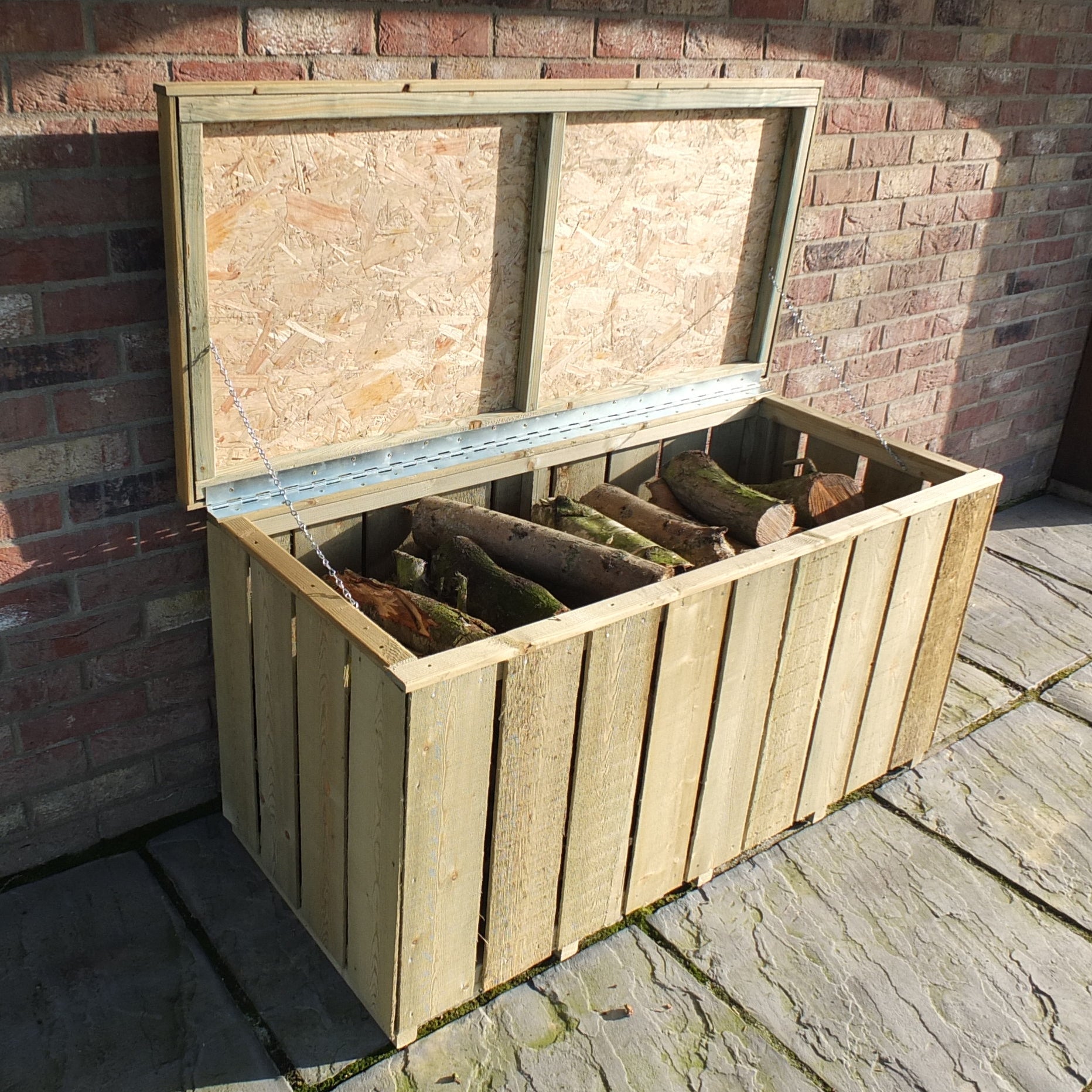
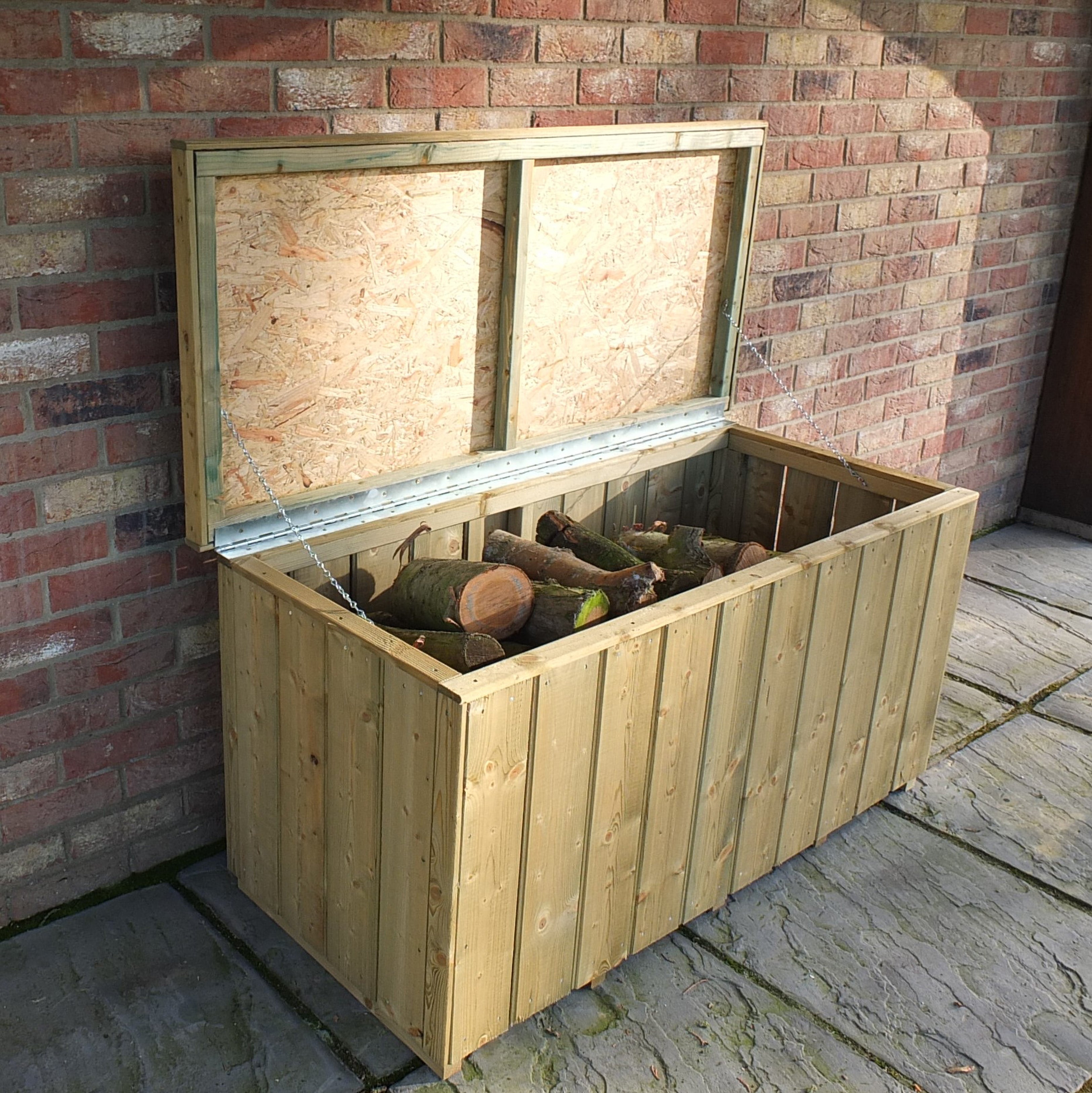
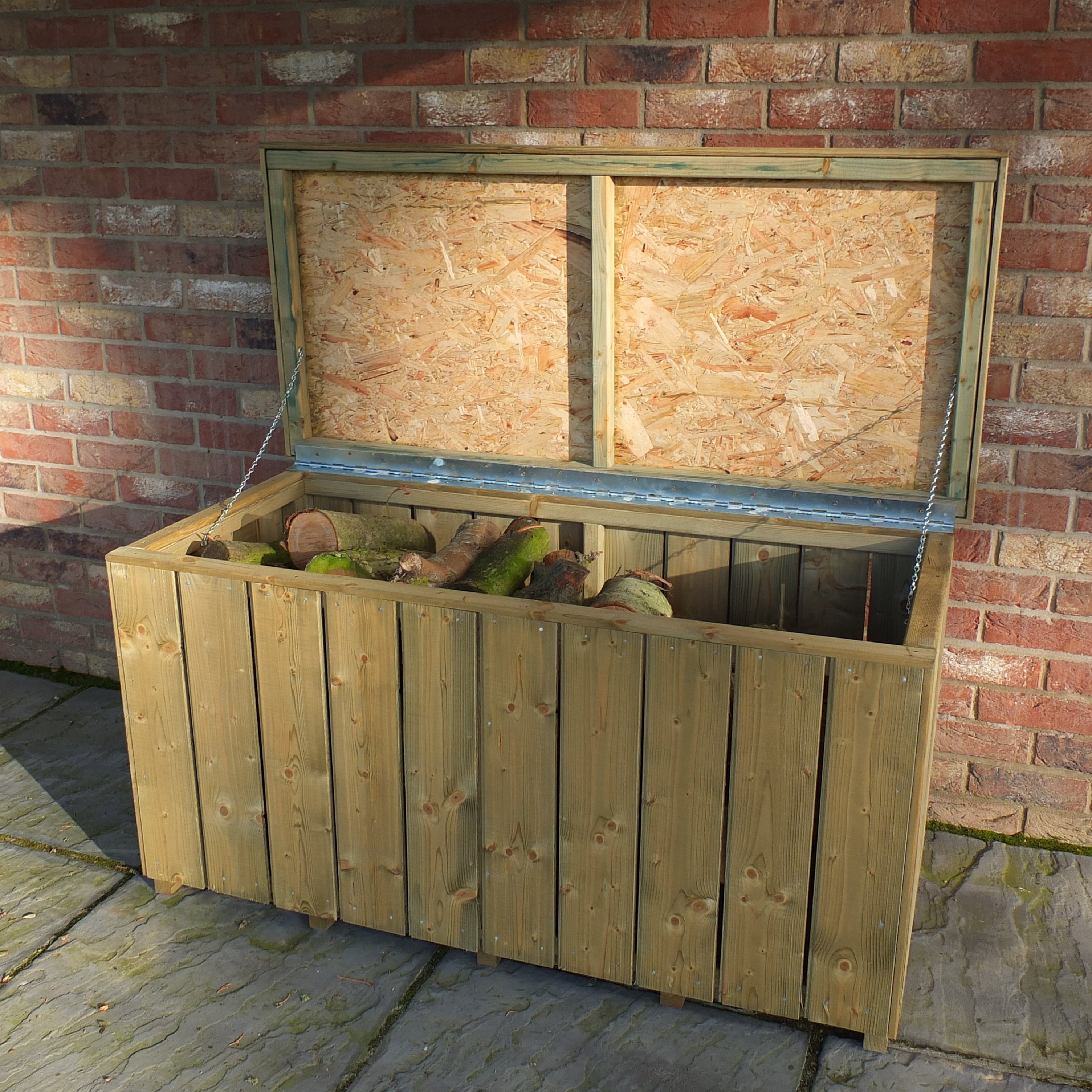
Log stores are purpose-built structures designed to store firewood outdoors. Unlike stacking logs against a wall or leaving them under a loose cover, log stores allow air to circulate while keeping the rain off. This balance is essential for drying wood effectively and preventing rot or mould.
Well-seasoned logs burn more efficiently, produce more heat, and create less smoke. A properly designed log store plays a key role achieving that.
Why Log Stores Matter More Than You Think
It’s easy to underestimate the impact of storage on firewood quality. Damp logs are harder to light, burn unevenly, and create excess smoke. Over time, poor storage can also damage the wood itself.
Log stores solve these problems by lifting the logs off the ground and keeping them sheltered from direct rainfall. The result is firewood that lights faster, burns cleaner, and performs as it should.
Choosing the Right Log Store
Size and Capacity
Start by thinking about how much wood you use. Smaller log stores suit occasional fires or compact gardens, while larger models are better for households that rely on wood as a regular heat source.
It's usually worth choosing slightly more capacity than you think you need. Firewood takes time to season, and having extra space allows logs to dry properly rather than being stacked too tightly.
Ventilation and Design
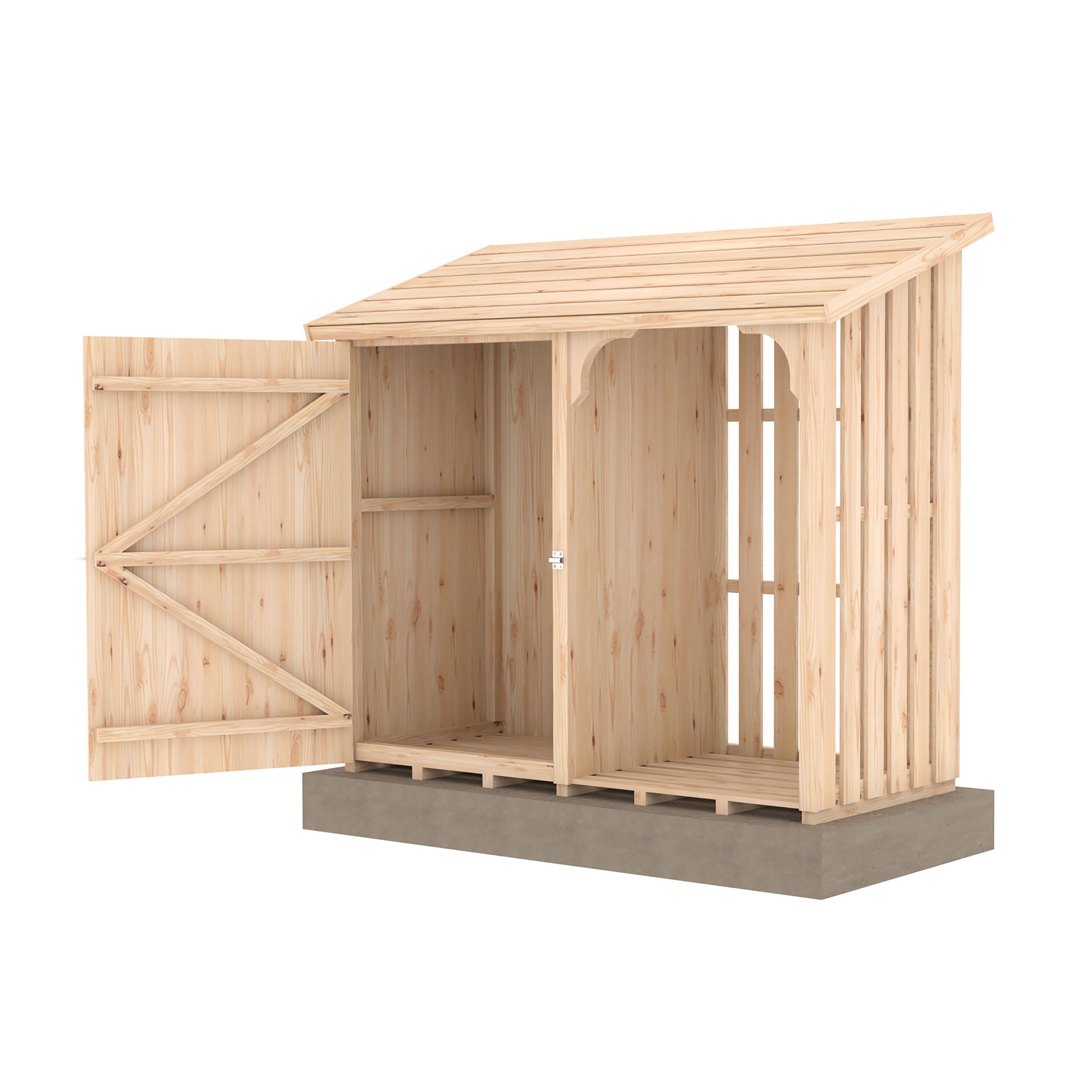
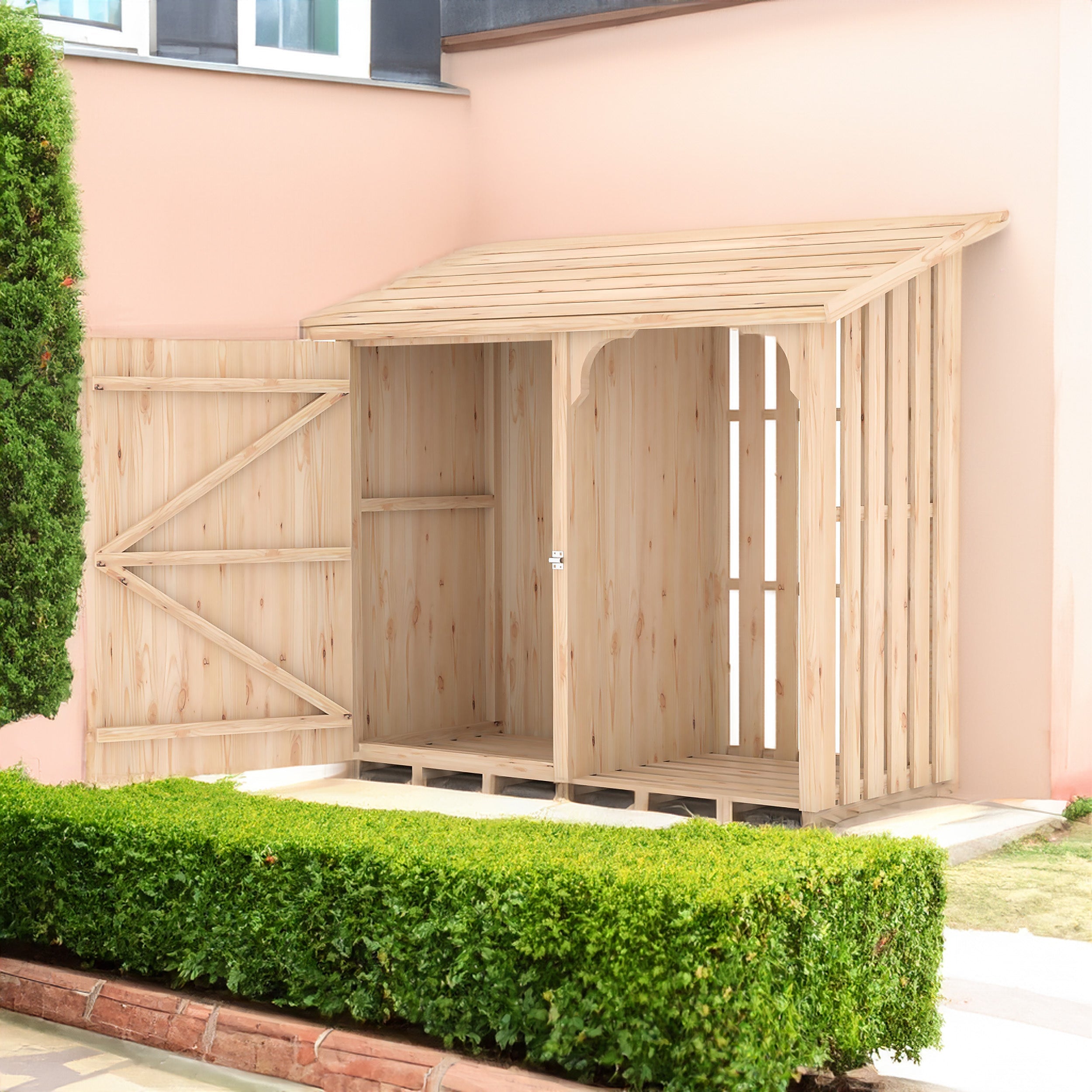
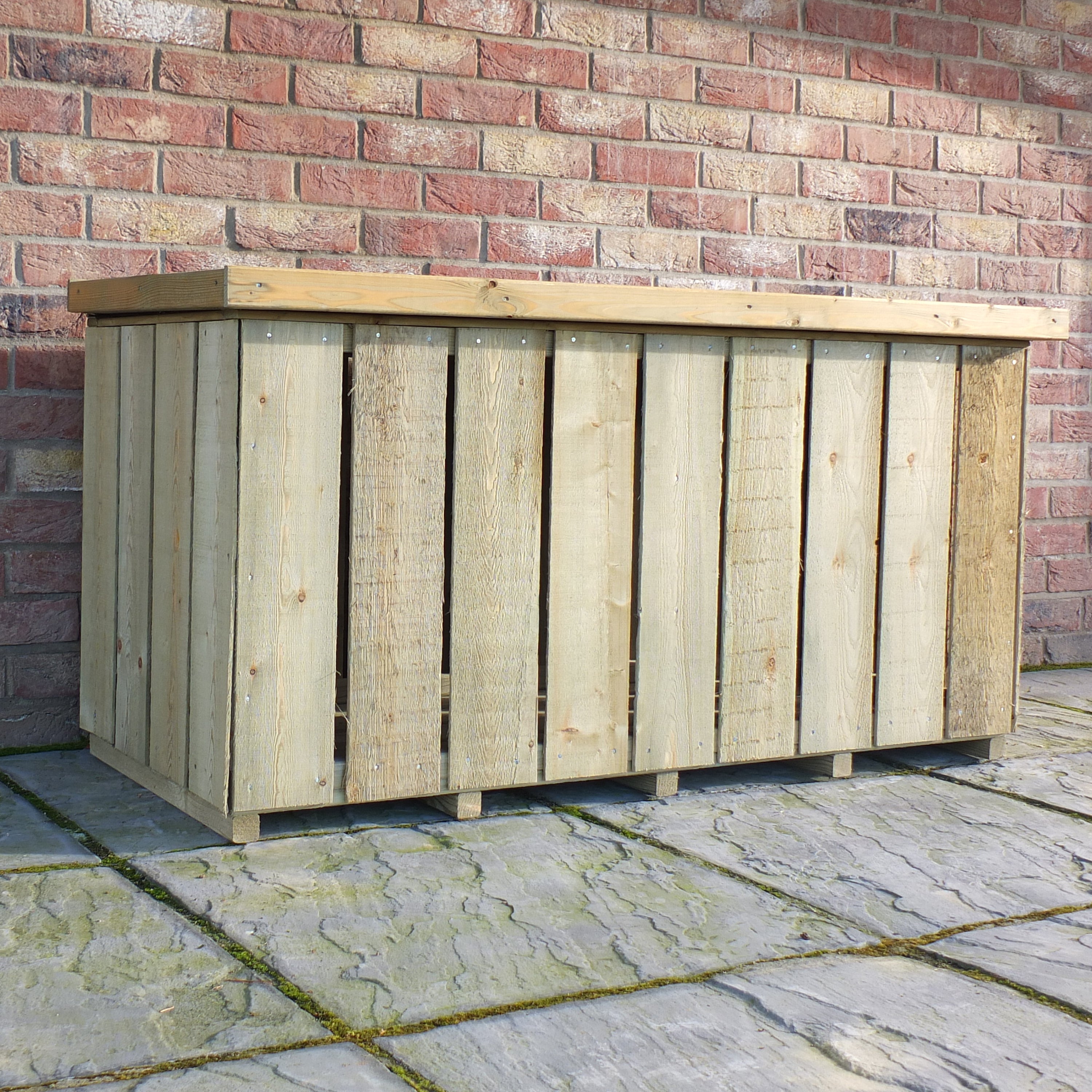
Airflow is crucial. The best log stores are open in the front or sides, allowing air to move freely through the stack. Slatted or partially open designs strike a good balance between protection and ventilation.
A raised base is equally important. Keeping logs off the ground prevents moisture from being absorbed from the soil or paving.
Materials and Durability
Log stores are exposed to the elements year-round, so materials matter. Timber log stores offer a natural look that blends well into gardens, while metal options provide a modern, low-maintenance alternative.
Whichever material you choose, it should be weather-resistant and sturdy enough to support the weight of stacked logs.
Placement in the Garden
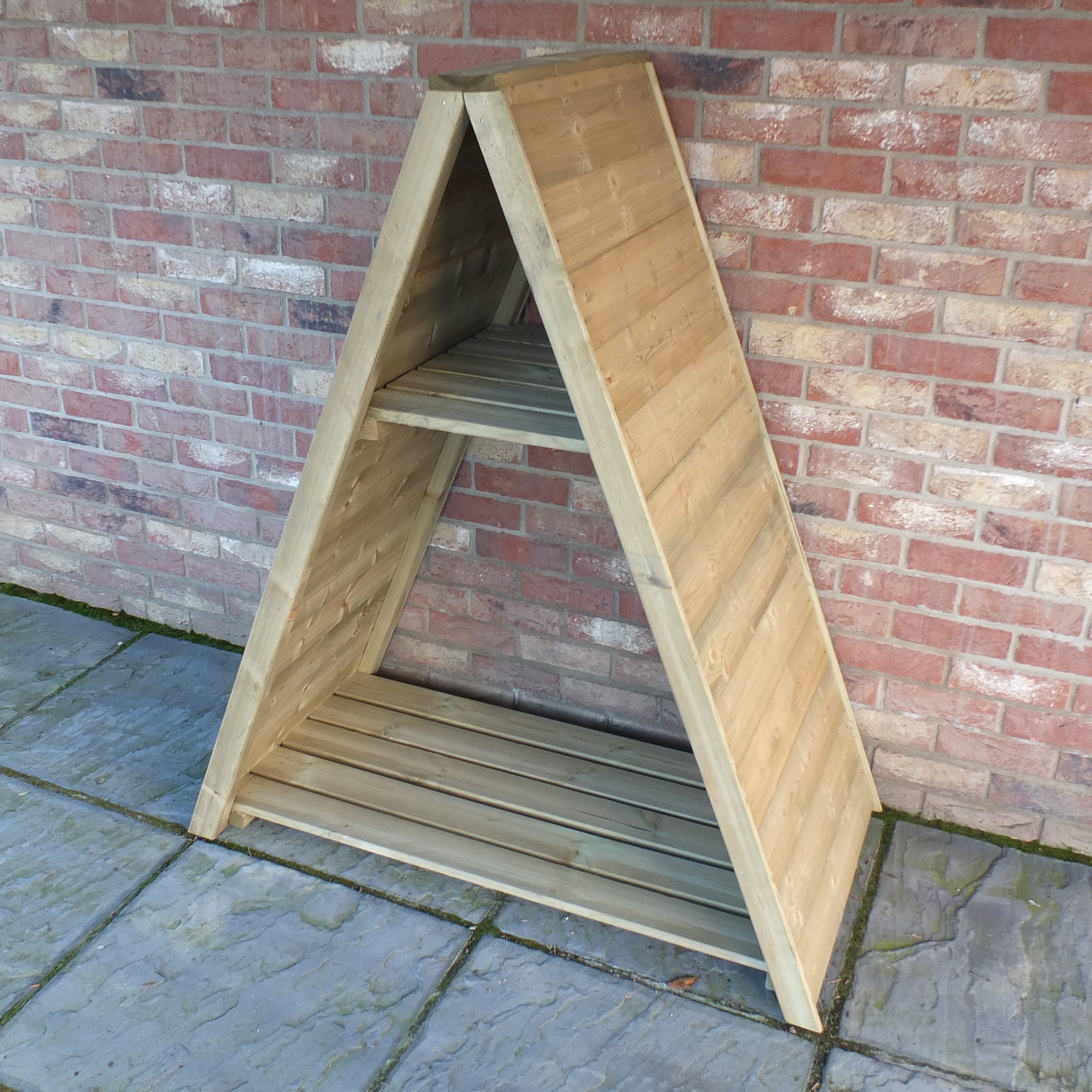
Position your log store somewhere convenient but well-drained. It should be close enough to the house for easy access in winter, but far enough away to maintain airflow and avoid damp walls.
For advice on suitable designs and practical placement, many homeowners look to Glowing Flames for guidance on outdoor fire accessories and storage solutions.
Log Stores and Everyday Living
A well-placed lag store changes how you use your fire. Instead of carrying damp logs indoors or searching for dry wood, everything is ready when you need it. It keeps gardens looking tidy and makes lighting a fire feel simple rather than inconvenient.
Log stores also help firewood last longer, reducing waste and improving overall efficiency.
Frequently Asked Questions About Log Stores
Do logs need to be covered when stored outside?
Yes. Logs should be protected from rain but still exposed to airflow. Log stores are designed to do both.
How long does firewood need to season?
Most hardwoods need 12 to 24 months to season properly, depending on moisture content and storage conditions.
Can log stores be placed against a wall?
It’s better to leave a small gap behind the log store to allow airflow and prevent moisture build-up.
Are log stores suitable for small gardens?
Yes. Compact log stores are available and work well in smaller outdoor spaces.
Do log stores require maintenance?
Timber log stores may benefit from occasional treatment, while metal design generally requires very little upkeep.