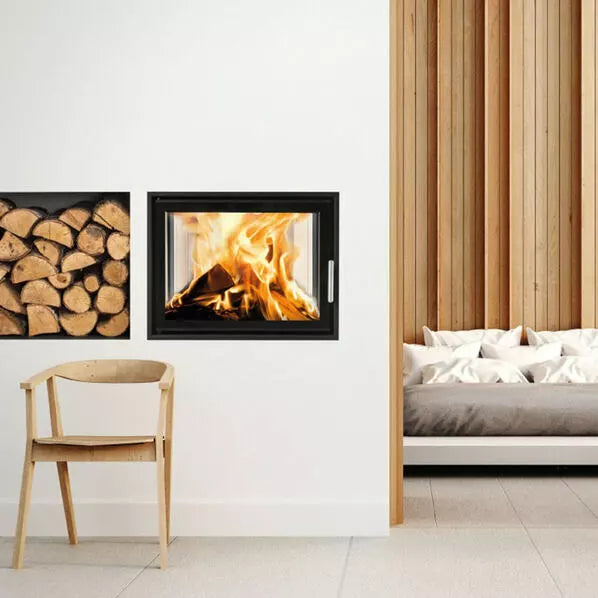


A Wood-Burning Stove is a great way to heat your home while enjoying the rustic ambience of a wood fire. However, not all types of wood are created equal when it comes to burning in a log burner. Some woods burn more efficiently and produce less smoke, while others are more prone to sparking or creating excessive creosote buildup in your chimney.
"Hardwoods are denser, resulting in longer burn times and higher energy output per log, but softwoods are great for kindling to start fires".
What's better for log burners, Hardwoods or Softwoods?
Hardwoods such as oak, maple, ash, and beech are ideal for burning in a log burner. They burn longer and hotter than softwoods, producing more heat with less smoke and less creosote buildup in your chimney. Hardwoods are also less likely to spark, making them safer to use.
Softwoods such as pine, cedar, and spruce are less dense than hardwoods, which means they burn faster and hotter. However, they also produce more smoke and creosote buildup in your chimney, which can be dangerous if not properly cleaned. Softwoods are best used as kindling to start a fire, or mixed with hardwoods for a more efficient burn.
At a Glance: The Ultimate Firewood Guide
-
The Golden Rule: Only burn wood with a moisture content below 20% (Ready to Burn certified).
-
Best for Heat: Hardwoods like Oak, Ash, and Beech provide the longest burn times and highest heat output.
-
Best for Starting: Softwoods like Pine and Spruce are excellent for kindling as they light quickly.
-
What to Avoid: Never burn treated, painted, or "green" (wet) wood, as this damages your flue and causes excessive smoke.
Choosing the right fuel is just as important as choosing the right stove. The type of wood you burn determines how much heat you get, how often you need to refuel, and how clean your glass stays.
This guide breaks down the best hardwood and softwood options to help you get the most out of your wood-burning stove.
1. Hardwood vs. Softwood: Which is Best?
One of the most frequently asked questions we see is whether to use hardwood or softwood for a log burner.
Hardwood (The Efficient Choice)
Hardwoods come from slow-growing deciduous trees. Because the wood is dense, it contains more energy per log.
-
Pros: Burns longer, produces a steady heat, and requires fewer trips to the log store.
-
Top Picks: Oak, Ash, Beech, and Birch.
Softwood (The Starting Choice)
Softwoods come from evergreen trees. They are less dense and contain more resin.
-
Pros: Lights very easily and reaches high temperatures quickly.
-
Cons: Burns through very fast and can lead to more soot build-up if not burned hot.
-
Top Picks: Pine, Spruce, and Larch.
2. Top Wood Species for UK Log Burners
Based on calorific value and burn quality, here are the best woods for your fire:
-
Ash: Often called the "King of Firewood." It provides an incredible heat output and a beautiful flame.
-
Oak: The longest-burning wood. It takes a while to get going, so it is best used once the fire is established.
-
Birch: Produces an intense heat and a lovely scent, but it burns faster than Oak or Ash.
-
Fruit Woods (Apple/Cherry): These burn slowly and produce a wonderful fragrance is perfect for a cosy evening.
Expert Tip: Even the best hardwood will perform poorly if it isn't dry. Always use a moisture meter to ensure your logs are below 20%.
3. Can You Burn Conifer Wood?
"Can you burn conifer wood in a log burner?" is a common query. The answer is yes, but with caution.
Conifer is a softwood and contains high levels of resin. While it smells great and lights easily, it can "spit" and cause sparks. If you burn conifer, ensure the wood is seasoned perfectly and your Chimney Cowl is fitted with a birdguard/spark arrestor to manage any stray embers.
4. Understanding Burn Times & Heat Output
To maximise efficiency, you want wood with a high calorific value.
Hardwoods like Oak have a higher density, meaning they have more "fuel" in the same volume as a softwood log. If you want a fire to last all evening without constant refuelling, hardwood is the only choice. If you want a quick blast of heat to take the chill off a room, softwood is more cost-effective.
5. What Wood Should You Avoid?
To protect your stove and the environment, avoid the following:
-
Green Wood: Freshly cut wood is up to 50% water. Burning it creates creosote, which clogs your flue and can cause chimney fires.
-
Treated or Painted Wood: These release toxic chemicals and heavy metals into your home and the atmosphere.
-
Salty Wood (Driftwood): The salt can corrode the internal components of your stove and liner.
Frequently Asked Questions: Choosing the Best Wood for Your Log Burner
Are Fruitwoods good for log burners?
Fruitwoods such as apple, cherry, and pear are a popular choice for log burners because they burn slowly and produce a sweet-smelling aroma. They also produce less smoke and creosote buildup than softwoods, making them a safer choice for your chimney.
Is Ash good for log burners?
Ash is a hardwood that is known for its low moisture content, making it an ideal choice for burning in a log burner. It burns hot and produces very little smoke, making it a clean and efficient choice for heating your home.
Is Birch good for log burners?
Birch is a hardwood that burns hot and produces a bright flame. It is a popular choice for log burners because it is easy to split and has a low moisture content, which makes it an efficient choice for burning.
What is the best wood to burn in a log burner?
For the best performance, hardwoods like Ash, Oak, and Beech are the top choices. Ash is often considered the "king of firewood" because it produces a steady, high heat and a beautiful flame. Oak burns the longest, while Birch provides an intense heat and is very easy to light. Regardless of the species, always ensure your wood is "Ready to Burn" with a moisture content below 20%.
Should I choose hardwood or softwood logs?
Hardwood is generally better for sustained heating because it is denser and has a higher calorific value, meaning it burns more slowly and produces more heat per log. Softwood, such as Pine or Spruce, is less dense and burns much faster. Softwood is best used as kindling to get your fire started before switching to hardwood logs for the evening.
Which wood burns the longest in a log burner?
Oak is the longest-burning wood available in the UK. Because of its extreme density, it can provide a slow, steady heat for several hours. It is the ideal choice for keeping a fire going late into the night. However, it can be difficult to light, so it is best added to the stove once you have a well-established bed of embers.
Can you burn conifer or pine wood in a log burner?
Yes, you can burn conifer and pine, but only if they are thoroughly seasoned or kiln-dried. These species have a high resin content, which can lead to "spitting" and a faster build-up of soot in your chimney. If you burn these regularly, we recommend more frequent Stove Maintenance to keep your flue clear.
Birch vs Ash: Which is better?
Both are excellent, but they serve different purposes. Ash is the superior all-rounder; it burns at a high temperature for a long time. Birch is fantastic if you want to heat a room up quickly or if you enjoy a bright, lively flame, but you will find yourself refilling the stove more often than you would with Ash.
Does the type of wood affect how long it burns?
Absolutely. The density (calorific value) of the wood determines the burn time. Denser hardwoods have more "fuel" packed into the same volume, allowing them to burn for significantly longer than lighter softwoods. The moisture content also plays a huge role—wet wood wastes energy evaporating water rather than producing heat.
What wood should I avoid burning?
Never burn "green", unseasoned wood, as it causes heavy smoke and creosote build-up. You should also avoid treated, painted, or glued woods like pallet wood or MDF, as these release toxic chemicals. Some species, like Horse Chestnut or Poplar, can also produce an unpleasant odour when burned, so they are best avoided for indoor fireplaces.
What size logs do I need for my log burner?
Most standard UK stoves are designed for logs that are approximately 20cm to 25cm (8-10 inches) in length. Burning logs that are too large can damage your firebricks, while logs that are too small will burn through too quickly. Always check your stove’s manual for the maximum log size.