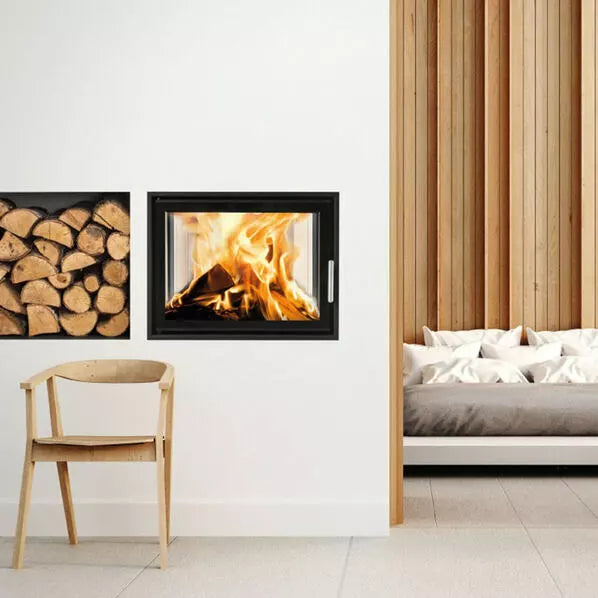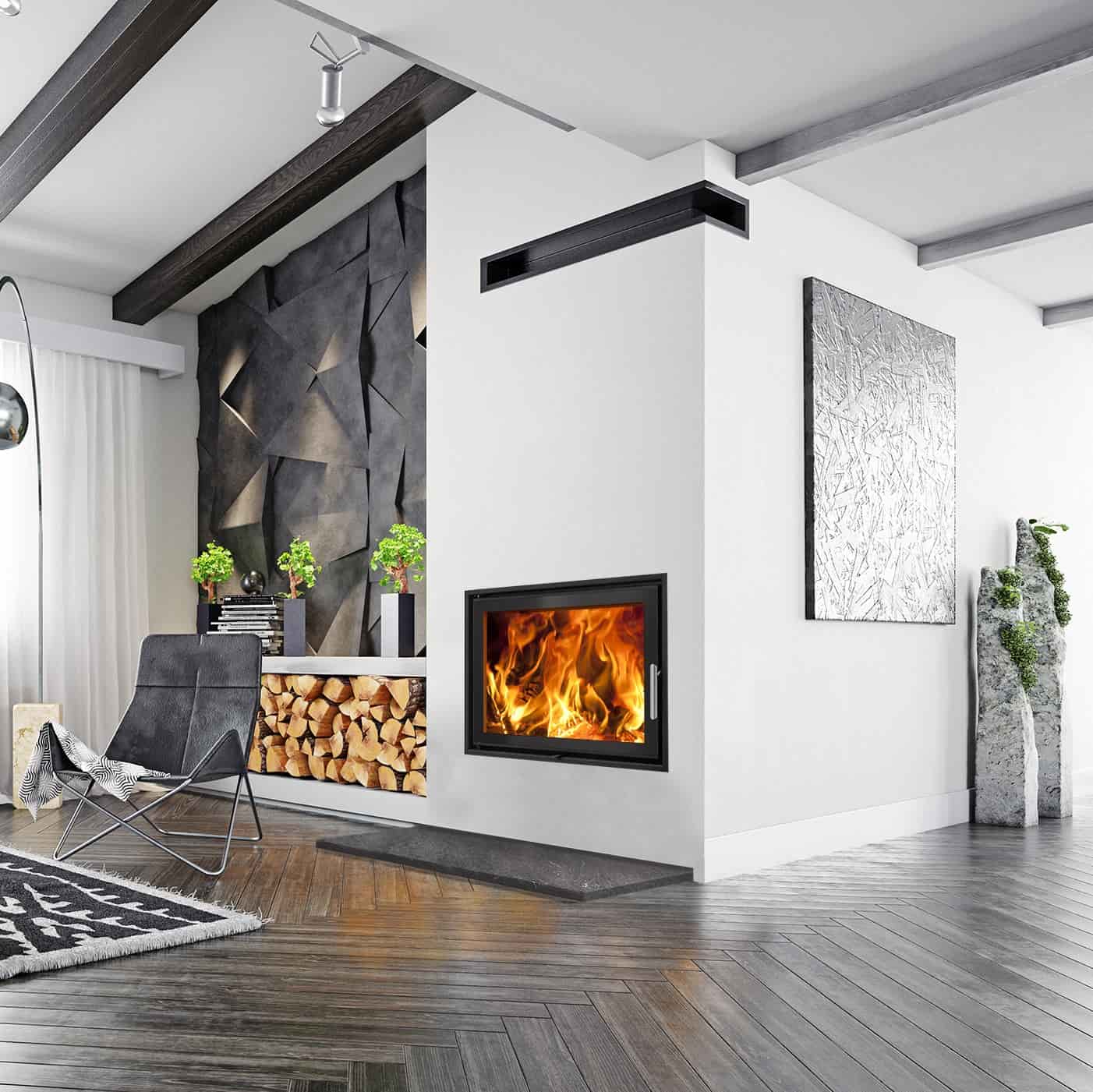


A common misconception in home renovation is that you need an original brick chimney to enjoy the comfort of a real fire. Whether you are building a contemporary glass-wrapped extension or upgrading a property without a traditional hearth, you can absolutely install a high-performance wood burner.
As experts in heritage heating, we frequently help homeowners who have moved from period properties where they loved stoves like the Carron 5kW ECO (often referred to as the "Carton") into modern spaces and want to replicate that same warmth. Here is how we make it happen using advanced engineering and British safety standards.
The Hero Solution: Twin Wall Flue Systems
When a building lacks a masonry chimney, we install a "factory-made" chimney known as a Twin Wall Flue System. This is a precision-engineered series of connectable stainless steel pipes featuring two layers separated by a thick core of high-grade mineral wool insulation.
This insulation is vital for two reasons:
-
Safety: It keeps the outer surface of the pipe significantly cooler, allowing it to pass through walls, ceilings, and roofs with minimal clearance to combustible materials (typically as little as 50mm to 70mm).
-
Performance: It traps heat inside the flue, ensuring the combustion gases stay hot enough to rise rapidly. This creates the "draught" needed to pull smoke out of your home and maintain a clean, efficient burn.
Internal vs. External: Choosing Your Route
For a new extension, you have two primary installation paths:
-
Internal Vertical (Through the Roof): The flue pipe runs from the stove straight up through the ceiling and exits via the roof. This is often the most efficient route because the pipe stays warmer within the house, which maximises the draught.
-
External Offset (Through the Wall): The flue exits through the side wall of your extension at an angle (usually 45 degrees) and then rises vertically along the outside of the building. This is a popular choice for saving internal floor space in rooms above.
Regardless of the route, UK Building Regulations (Approved Document J) require the system to have a minimum vertical height of 4.5 metres to function safely.
The Perfect Fit: Carron 5kW ECO
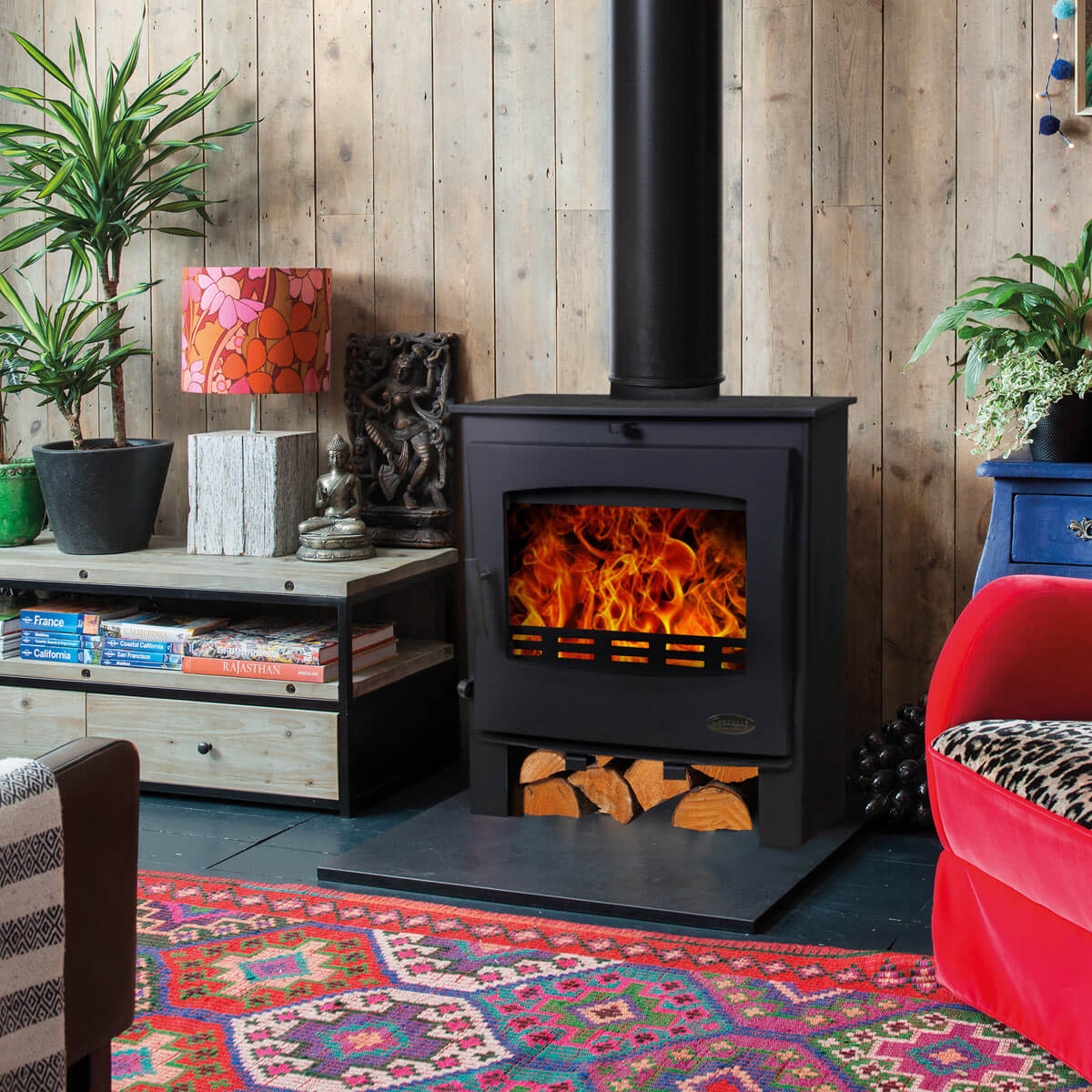
If you are looking for that classic "Glowing Flames" aesthetic, the Carron 5kW ECO is a heritage-style masterpiece crafted from primary-grade cast iron for exceptional heat retention. It is fully Eco Design 2022 compliant and DEFRA approved, meaning it meets the strictest environmental standards for 2026 and is legal for use in Smoke Control Areas.
In a modern, airtight extension, we recommend pairing this stove with a Direct Air Kit. This allows the fire to draw oxygen directly from the outside rather than from the room, preventing draughts and ensuring the stove operates perfectly even in highly insulated spaces.
The "Technical Kit" Checklist
To achieve a professional, safe, and aesthetically pleasing installation with a matching black finish, you will need:
-
Stove: Carron 5kW ECO (or similar 125mm outlet model).
-
Connecting Pipe: 1-metre length of black vitreous enamel pipe for the initial visible run. Carron 5 inch Stove Flue Piper, 1000mm length.
-
Twin Wall Adaptor: To transition from single-skin pipe to the insulated system.
-
Insulated Lengths: Matt black powder-coated twin wall pipe for the main chimney run.
-
Roof/Wall Brackets: Adjustable supports to secure the system to your building's structure.
-
Weatherproofing: A roof flashing kit (matched to your roofing material) and a storm collar for a watertight seal.
-
Terminal: An all-weather rain cowl to prevent bird ingress and rain from entering the flue.
-
12mm Hearth: Since the Carron has a low hearth temperature (just 44°C), it can sit on a slim, decorative 12mm non-combustible base.
Who can do this for you?
In the UK, installing a solid fuel appliance is considered "building work." The safest and most efficient way to complete your project is to use a HETAS-registered installer. They are qualified to self-certify the work, ensuring it complies with Document J and providing you with a Certificate of Compliance that is essential for your home insurance and any future house sale.
FAQ
Can I have a wood burner in an extension with a flat roof? Yes. Using a specialised flat roof flashing kit and a vertical twin wall system, you can safely route the flue through a flat roof. The pipe must terminate at least 1,000mm above the roof surface to disperse gases effectively.
Do I need planning permission? Usually, no. In the UK, installing a flue is typically considered "Permitted Development." However, if your home is a Listed Building or in a Conservation Area, you should always check with your local authority first.
Can I get a flue that matches the black finish of my stove? Absolutely. We specialise in high-quality, matt black powder-coated twin wall systems designed to match the finish of heritage stoves like the Carron. This ensures the flue looks like a seamless, intentional part of your home's design.