
In the UK, we are no strangers to a sudden downpour. Even if you have a dedicated "weatherproof" storage bin for your fuel, a particularly heavy storm or a bit of forgotten lid-sealing can leave your charcoal feeling heavy and damp.
When you try to light a fire with "soggy" fuel, you are often met with a stubborn, hissing pile of black rocks and a garden full of thick, grey smoke. While it is tempting to tip the lot into the bin, you can often rescue damp charcoal if you understand the physics of the burn.
At a Glance: Moisture and Ignition
-
The Problem: Damp charcoal is incredibly difficult to light because the energy is spent evaporating water rather than creating heat.
-
The Physics: Charcoal is porous like a sponge; moisture inside the lumps prevents it from reaching the "ignition temperature."
-
The Fix: Use "sacrificial lighting." Use a small amount of fresh, dry charcoal to create a heat source that dries out the damp fuel and eventually ignites it.
The Energy Deficit: Why Damp Charcoal Won't "Take"
Charcoal is essentially a carbon sponge. It is riddled with tiny pores that are perfect for holding onto heat, but they are equally good at absorbing moisture from the damp British air.
When you apply a flame to wet charcoal, the energy from your fire lighter is immediately diverted. Before the carbon can reach its ignition point (around 300°C), it must first boil off the water trapped in its pores. This consumes a massive amount of energy. Instead of a clean fire, you get steam, hiss, and a low-temperature smoulder that never quite catches.
The "Sacrificial Lighting" Method
If you have a bag that is damp but not dripping wet, you do not need to throw it away. You just need to change your lighting strategy.
-
The Dry Core: Start by placing a small amount of guaranteed dry charcoal in your chimney starter or the centre of your firebox. This is your "sacrificial" fuel—the dry heat source that will do the heavy lifting.
-
The Layering: Once the dry charcoal is glowing and hot, gradually layer the damp pieces around the perimeter. Do not dump them directly on top and smother the fire.
-
The Evaporation Phase: The heat from the dry core will slowly draw the moisture out of the surrounding damp pieces. You will see a lot of white steam at first. As the moisture evaporates, the temperature of those pieces will finally rise enough for them to ignite.
When to Give Up: The "Mud" Factor
There is a point of no return for charcoal. If the fuel has been sitting in standing water at the bottom of a bin, the internal structure can begin to break down into a black, muddy sludge.
-
The Break Test: Pick up a piece and try to snap it. If it crumbles into a soft, wet paste, the charcoal is structurally compromised. It will likely never burn with enough intensity to cook food safely.
-
The Ash Issue: Even if you manage to light saturated charcoal, it often produces an excessive amount of heavy ash that can block the air vents in your Kamado or masonry grill, leading to the "150-degree ceiling" we discussed in previous articles.
Prevention: The Only True Cure
Because charcoal is so hygroscopic (moisture-seeking), storage is the most important part of your BBQ setup.
-
Double Bagging: Keep your charcoal in its original paper bag, but place that bag inside a heavy-duty plastic bin with a rubber gasket seal.
-
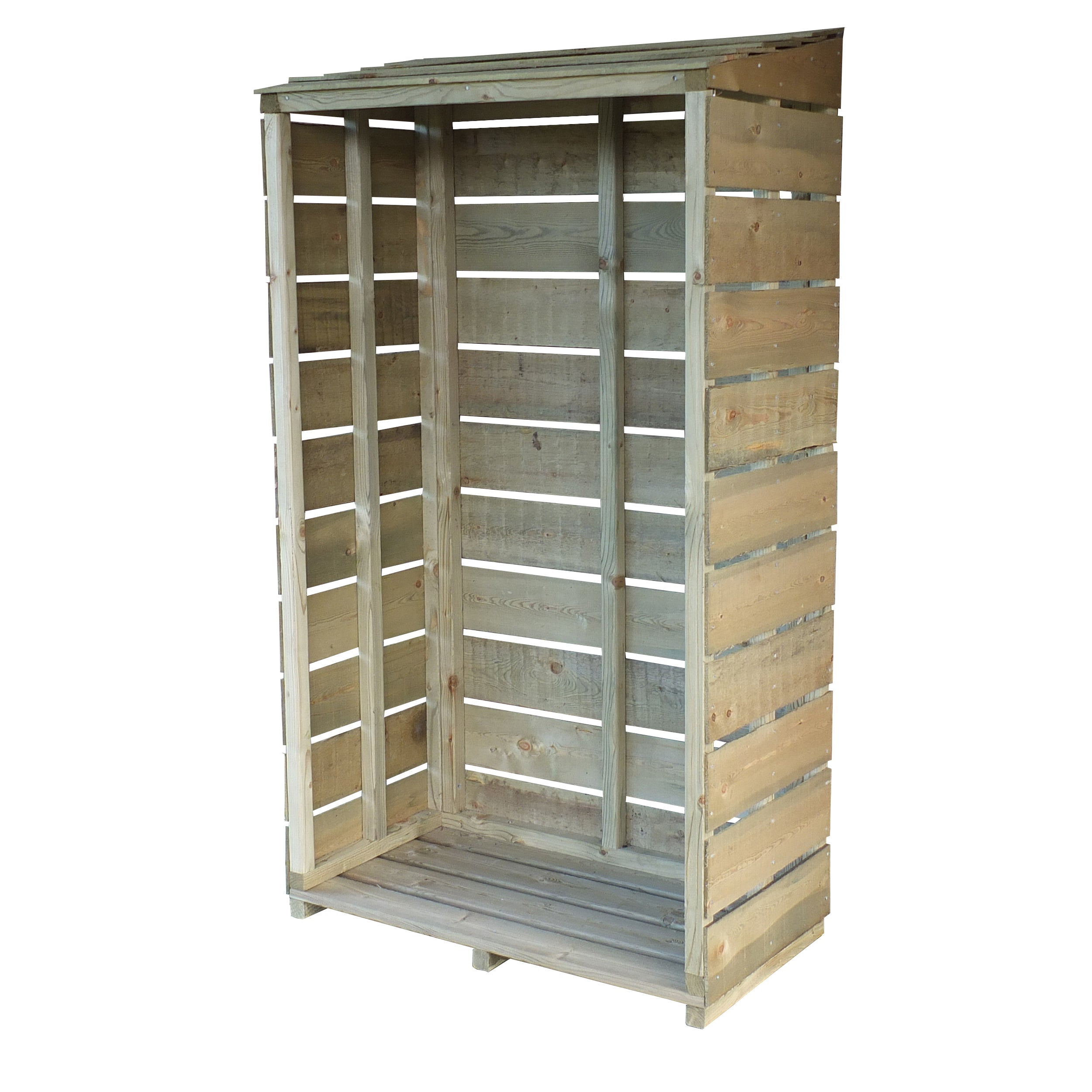
Off the Floor: Never store charcoal directly on a cold concrete garage floor. The temperature difference causes condensation to form inside the bag. Keep it on a pallet or a shelf.
-
The Indoor Move: During the peak of winter, if you aren't planning on a Christmas turkey on the BBQ, move your fuel to a dry shed or a utility room.
The Verdict
Damp charcoal isn't necessarily a write-off, but it does require patience. By using a small amount of dry "starter" fuel to drive out the moisture, you can salvage your bag and get back to cooking. However, remember that the best way to ensure a perfect, high-heat sear is to keep your fuel as dry as a bone.