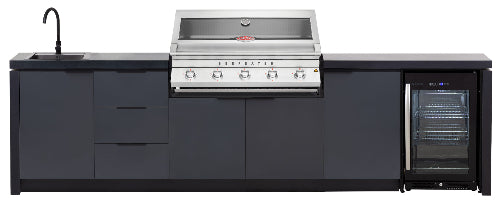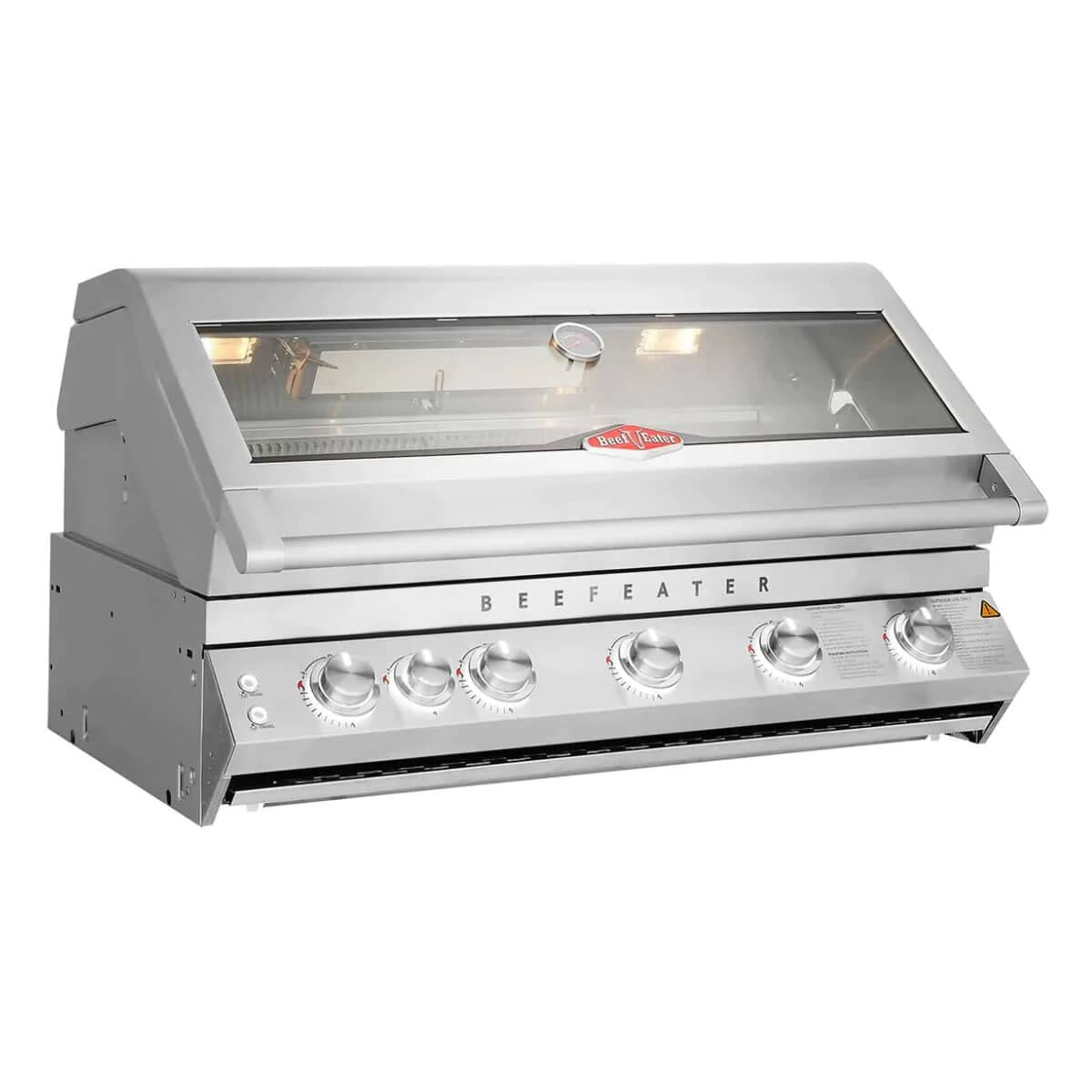


Investing in a Built-In BBQ is about more than just grilling; it is about creating a dedicated culinary destination in your garden. Unlike freestanding models, a built-in grill becomes a seamless part of your home’s architecture. To ensure your installation is a success, there are three critical factors to consider before you break ground.
1. Choosing a Fuel: Natural Gas vs. LPG
One of the biggest decisions for a permanent installation is the fuel source.
-
LPG (Bottled Gas): Offers the most flexibility and is the standard for most UK installations. You will need to design your island with a vented cabinet to house the gas bottle safely.
-
Natural Gas (Mains): If you want the luxury of never running out of fuel, you can have a Gas Safe engineer run a line from your house to the grill. This requires a specific "Natural Gas" version of the BBQ head, as the injectors differ from LPG models.
2. Material Matters: Combustible vs. Non-Combustible
Safety is paramount when "dropping" a high-heat appliance into a custom island.
-
Non-Combustible Frames: If your island is built from brick, stone, or steel studs with cement board, you can usually install the grill directly into the cutout.
-
Insulated Jackets: If you are building your outdoor kitchen from wood or combustible materials, you must use an insulated heat jacket. This stainless steel sleeve sits between the BBQ and the frame to prevent the heat from scorching or igniting your structure.
3. The Layout: The "Outdoor Kitchen Work Triangle"
Just like an indoor kitchen, your built-in BBQ should be positioned for efficiency. Ensure you have at least 40cm of "landing space" on either side of the grill for platters and tools. Consider the prevailing wind direction in your garden to ensure smoke is carried away from your dining area.
FAQ: Built-In BBQs
Do I need a specific "Built-In" model, or can I use a standard BBQ?
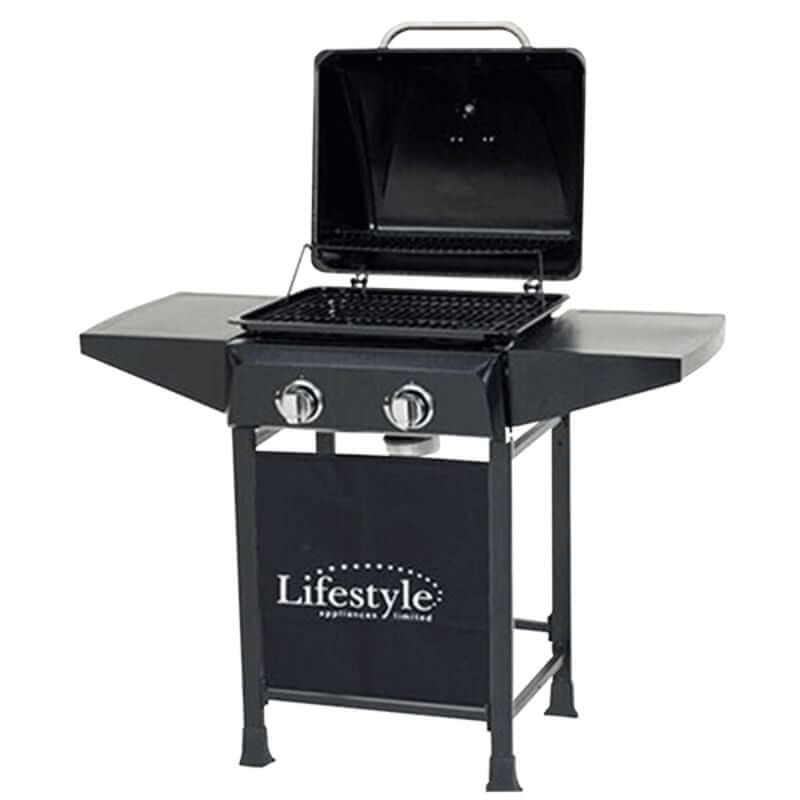
You must use a dedicated built-in BBQ. These are engineered with specific flange edges that allow the unit to hang securely from your countertop. They also feature front-access grease trays and specific ventilation requirements that freestanding "trolley" BBQs do not have.
How do I clean the grease tray if the BBQ is built into stone?
All our built-in BBQs are designed with maintenance in mind. The grease management systems are accessible from the front of the unit, usually sliding out like a drawer above or behind the cabinet doors, so you never have to move the heavy grill head to clean it.
What size cutout do I need for my island?
Every built-in BBQ has a specific "Cutout Dimension" provided by the manufacturer. It is vital to have the BBQ (or the exact dimensions) on-site before your stonemason or builder cuts your granite or worktop. A gap that is even 1cm too large can result in an unstable and unsafe grill.
Can I install a built-in BBQ under a pergola or roof?
Yes, but you must ensure adequate clearance and ventilation. If the roof is combustible (wood) or enclosed, you will likely need a professional vent hood (extractor) installed above the BBQ to manage smoke and intense heat, preventing damage to the structure above.
Should I cover my built-in BBQ in the winter?
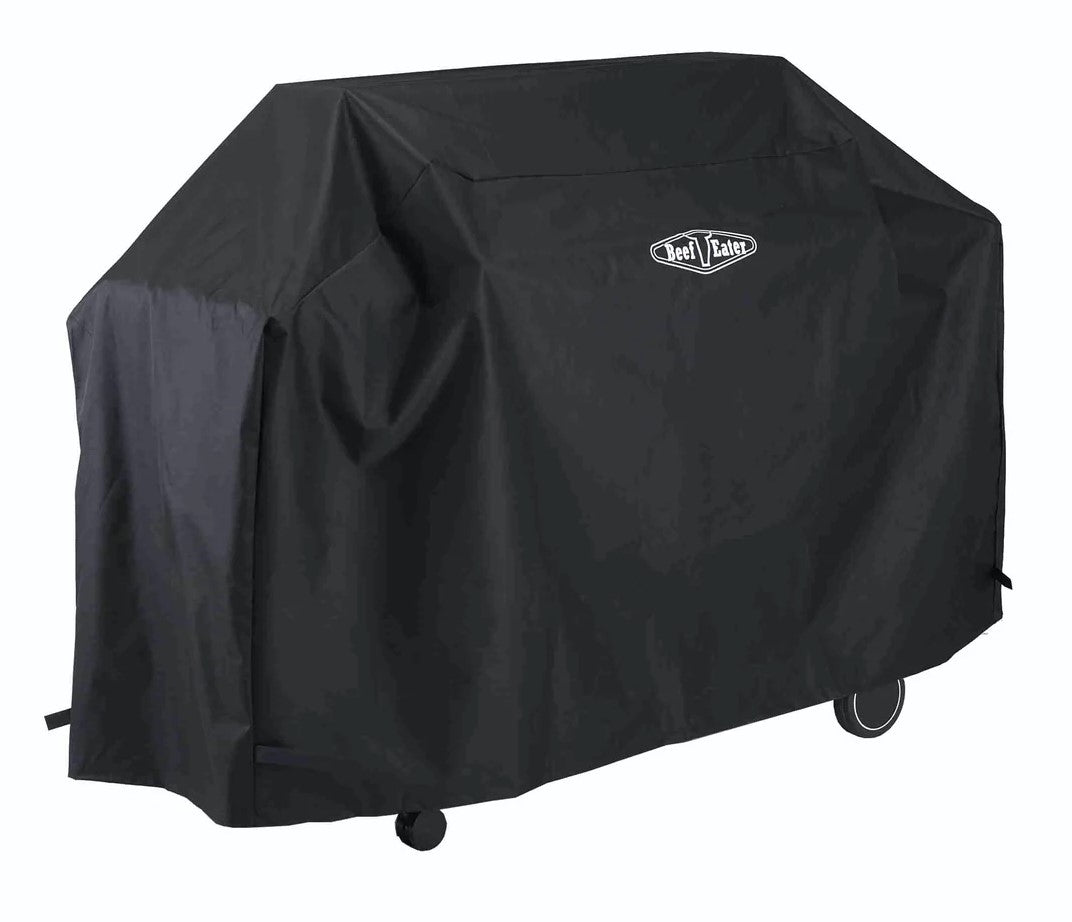
Even though built-in grills are made from high-grade stainless steel, the British winter can be harsh. We always recommend using a tailored Built-In Cover that protects the control knobs, igniters, and hood from moisture and debris when not in use.