Please add main menu in header section
Sort by:
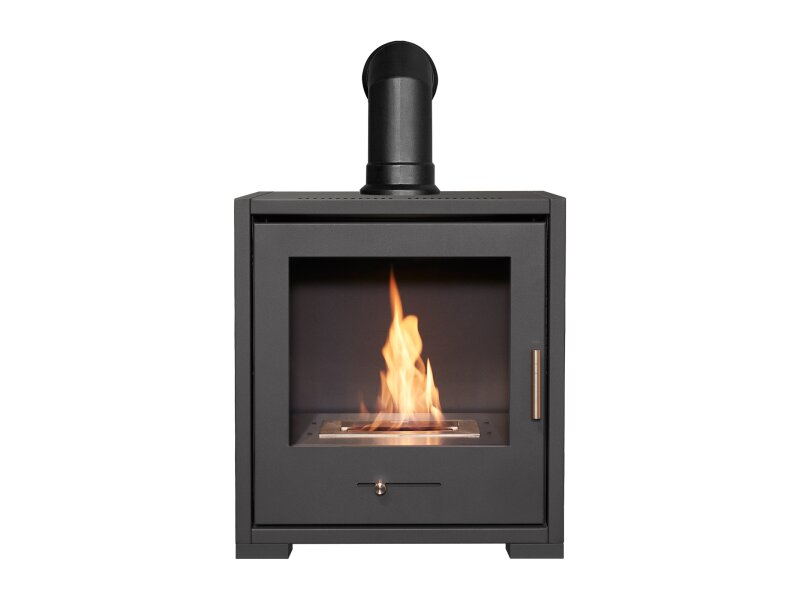

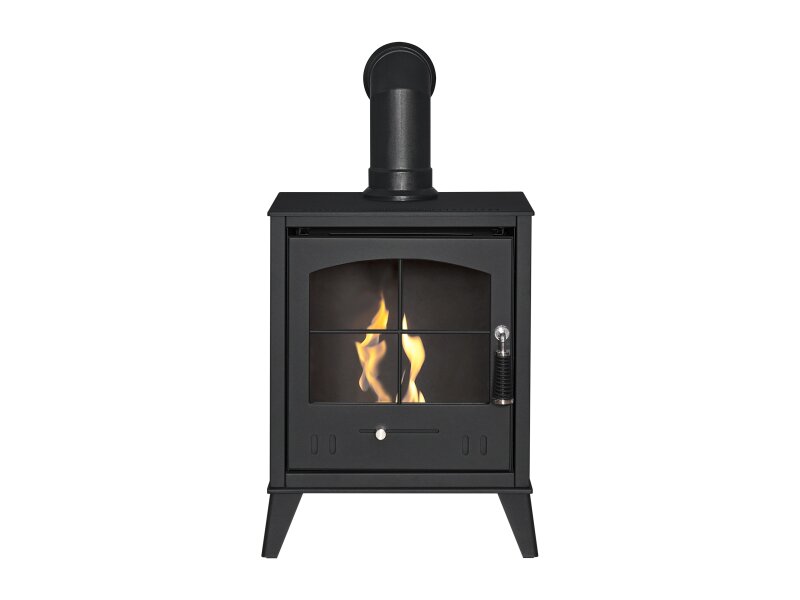
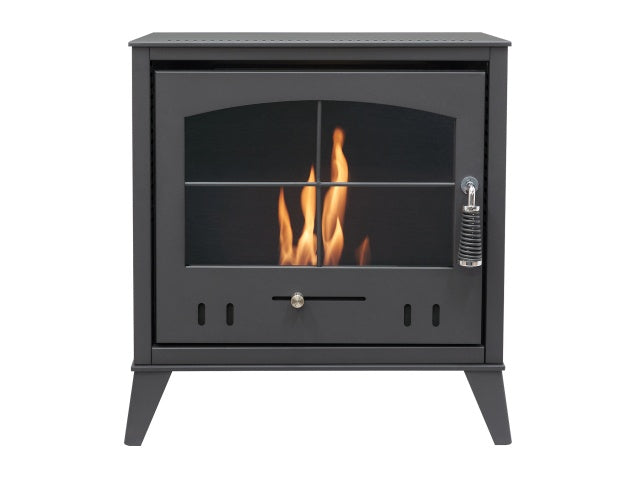
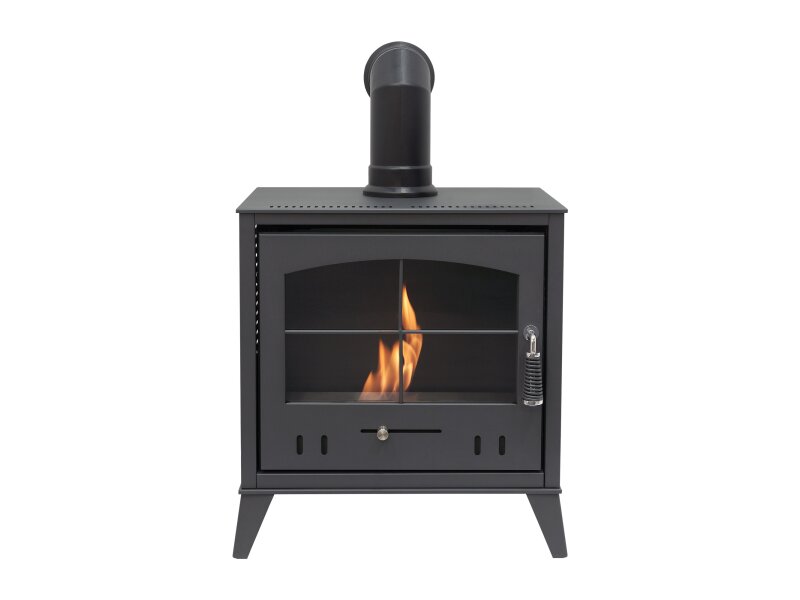
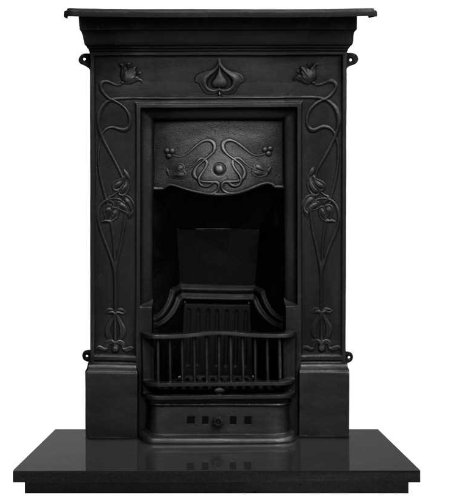
This is a vital collection for Glowing Flames, as "Period Fireplaces" often attract high-intent customers looking for craftsmanship and architectural authenticity. I have restructured this content to act as a Pillar Page, highlighting the historical styles (Victorian, Georgian, Edwardian) and the specific types you can hyperlink to within the collection.
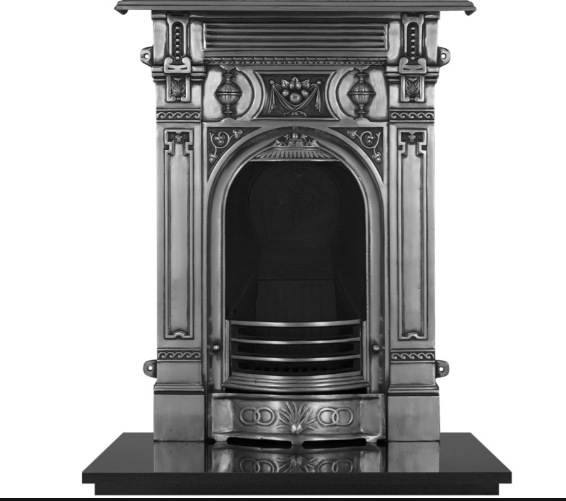
A period fireplace is more than just a heating appliance; it is a piece of British heritage. For homeowners restoring a traditional terrace or seeking to introduce character into a modern build, a cast-iron fireplace offers an authentic focal point that balances historical elegance with modern performance.
At Glowing Flames, our period collection celebrates the intricate craftsmanship of the 19th and early 20th centuries, providing durable, high-efficiency solutions that respect the architectural integrity of your property.
To help you find a fireplace that matches the era of your home, explore our specialised sub-collections:
Superior Heat Retention
Cast iron was the material of choice for the Victorians for a reason: it is an exceptional conductor of heat. Even after the fire has been extinguished, a cast-iron fireplace continues to radiate warmth into the room, making it a highly functional addition to your heating system.
Durability & Restoration
Unlike modern mass-produced alternatives, a high-quality cast-iron fireplace is built to last for generations. It is a highly restorable material, meaning it can be refinished and maintained to retain its beauty and value for decades to come.
Versatile Fuel Compatibility
While they look traditional, our period fireplaces are designed for modern living. Most models can be configured to work with:
Proportion & Scale
When selecting a period fireplace, consider the "visual weight" of the unit. A grand Georgian surround may overwhelm a small cottage room, while a slim Victorian bedroom fireplace might look undersized in a large drawing room. Match the fireplace width to your chimney breast and the height to your ceiling for a balanced look.
Finishes & Detailing
Our collection offers various finishes to suit your decor:
Can I install a period fireplace in a modern house?
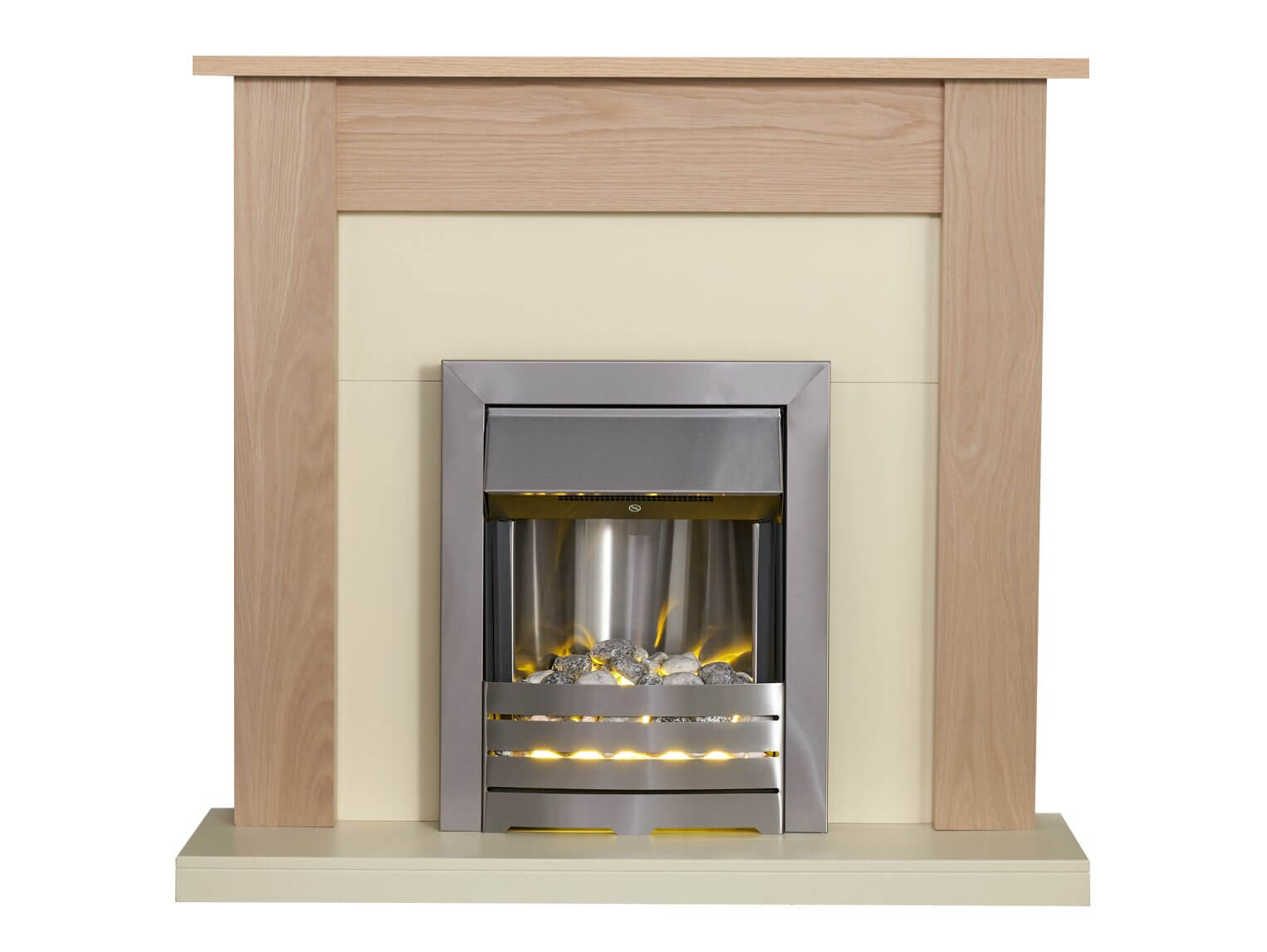
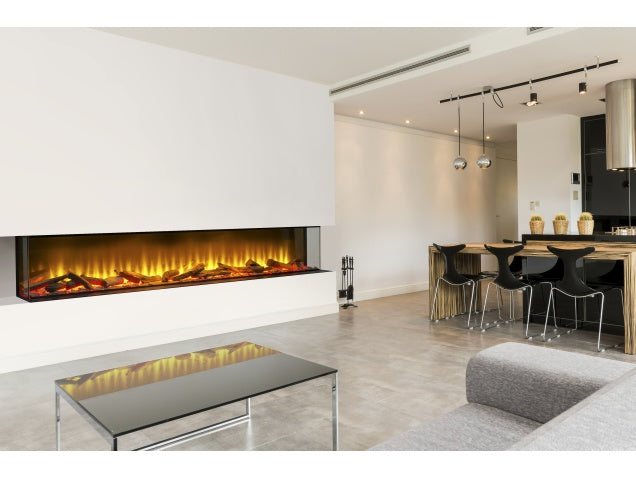
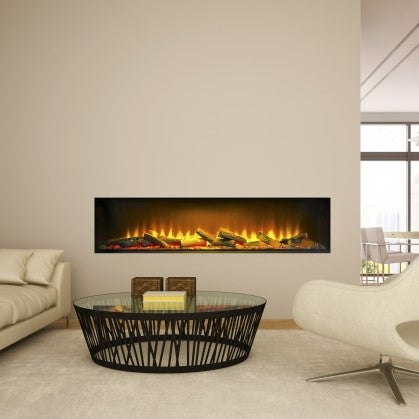
Yes. Introducing a cast-iron fireplace into a new-build property is an excellent way to add "instant history" and character. If you don't have a chimney, many of our period designs can be fitted with an electric fire insert.
What is a "Combination" fireplace?
A combination fireplace is a single piece of cast iron that incorporates both the fire grate and the decorative mantel surround. These were traditionally used in bedrooms because their compact "all-in-one" design took up less space than a separate insert and mantel.
Are period fireplaces efficient?
Modern reproductions of Victorian and Georgian designs are far more efficient than their 19th-century ancestors. When paired with a modern gas burner or an Ecodesign-ready solid fuel kit, they provide excellent heat output while maintaining their antique aesthetic.
How do I maintain the finish on my cast-iron fireplace?
For matt black finishes, an occasional application of "iron paste" or grate polish will keep it looking deep and rich. For polished surfaces, a light wipe with a soft cloth and a drop of oil can prevent moisture from causing surface rust.
Do I need a specific hearth for a period fireplace?
If you are burning solid fuel, you will need a constructional hearth (usually slate, granite, or tiled) that meets UK Building Regulations for thickness and distance from the fire. For electric versions, the requirements are much more flexible.
Can I use my original Victorian tiles in a new cast-iron insert?
In many cases, yes. Most of our reproduction Victorian and Edwardian inserts are built to the same standard dimensions as the originals (typically 6" x 6" tiles). If you have salvaged antique tiles, they can often be slid into the cast-iron side-racks of our new models, allowing you to combine modern safety with authentic history.
What is a "back hearth" and do I need one?
A back hearth is the section of the floor that sits inside the chimney opening, hidden by the cast-iron insert. For solid fuel period fireplaces, both the front hearth (visible in the room) and the back hearth must be made of non-combustible material to meet UK Building Regulations. If you are installing an electric period fire, a back hearth is usually not required.
Why do some period fireplaces have "hoods"?
The decorative hood (the protruding part at the top of the fire opening) was originally designed to help catch smoke and direct it up the flue. In modern reproductions, these hoods are often used to hide the technical components of a gas burner or to provide a deeper "Airwash" effect for solid fuel, keeping the soot away from the decorative casting.
My chimney breast is quite shallow; will a period insert fit?
Period inserts (especially Victorian ones) often require a certain amount of depth for the "milking stool" or firebox to sit back into the wall. If your chimney breast is shallow, you might consider a "flat-to-wall" fireplace suite or a Slimline cast-iron fascia, which provides the period look without requiring a deep structural opening.
Are reproduction period fireplaces as heavy as the originals?
Yes. High-quality reproductions are made from solid cast iron, just like the originals. A full Victorian fireplace with a mantel can weigh between 80kg and 150kg. This is a significant safety consideration; you must ensure your floor is structurally sound and that the fireplace is securely fixed to the wall using heavy-duty masonry bolts or "fiddly bits" (fixing lugs).
Can I fit a period fireplace into a Media Wall?
While it is an unconventional mix of styles, it is becoming popular. However, because cast iron is a heavy conductor of heat, you must be extremely careful. We recommend using an Electric Period Insert for media walls to ensure that the rising heat doesn't damage the television or timber stud work above the casting.


 Outdoor Living
 Outdoor Cooking
 Outdoor Heating
 Garden Buildings
 Indoor Heating
 DEALS
DEALS