Please add main menu in header section
Remote Controlled Inset Fires, Gas & Electric
Sort by:


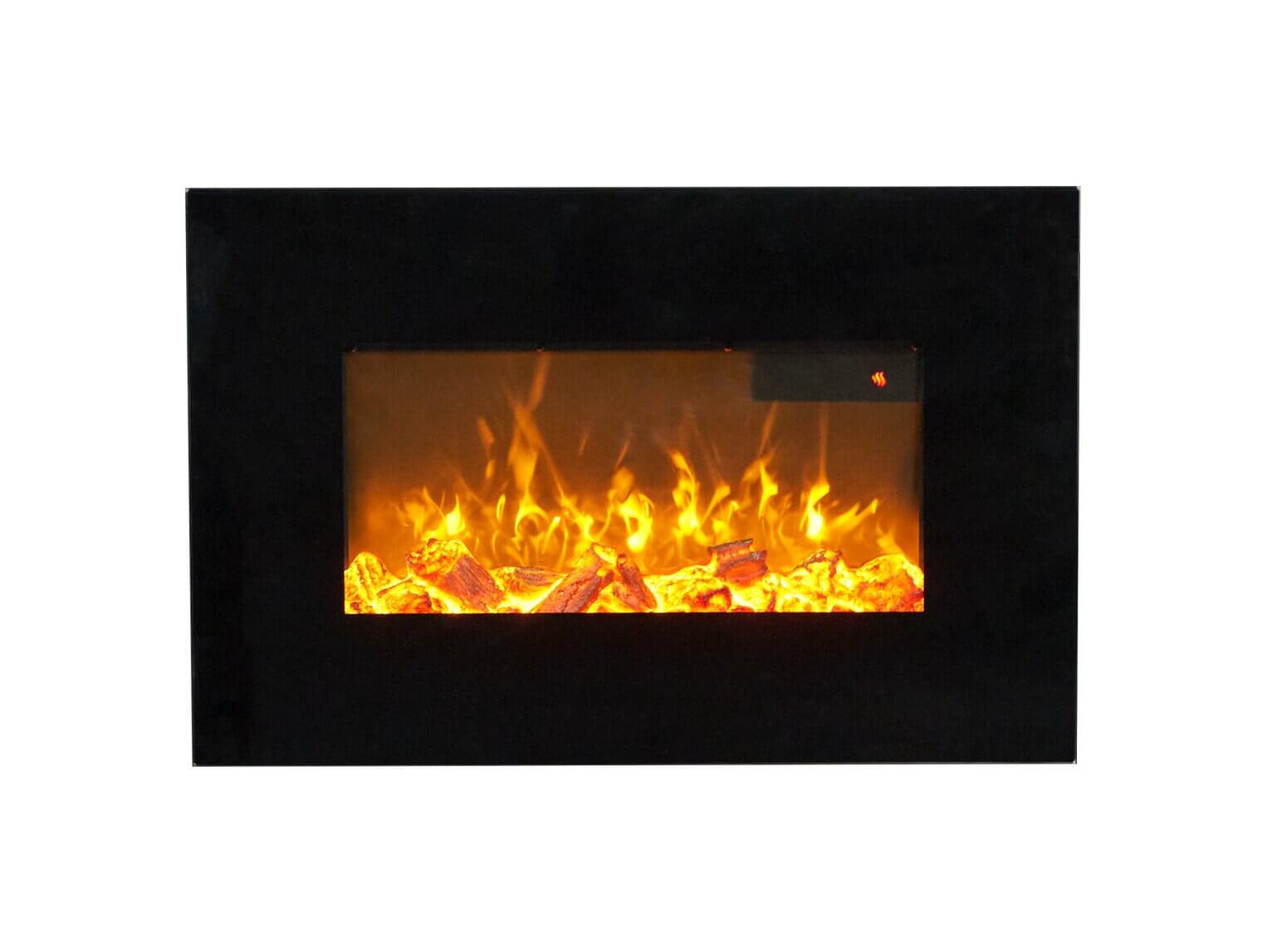
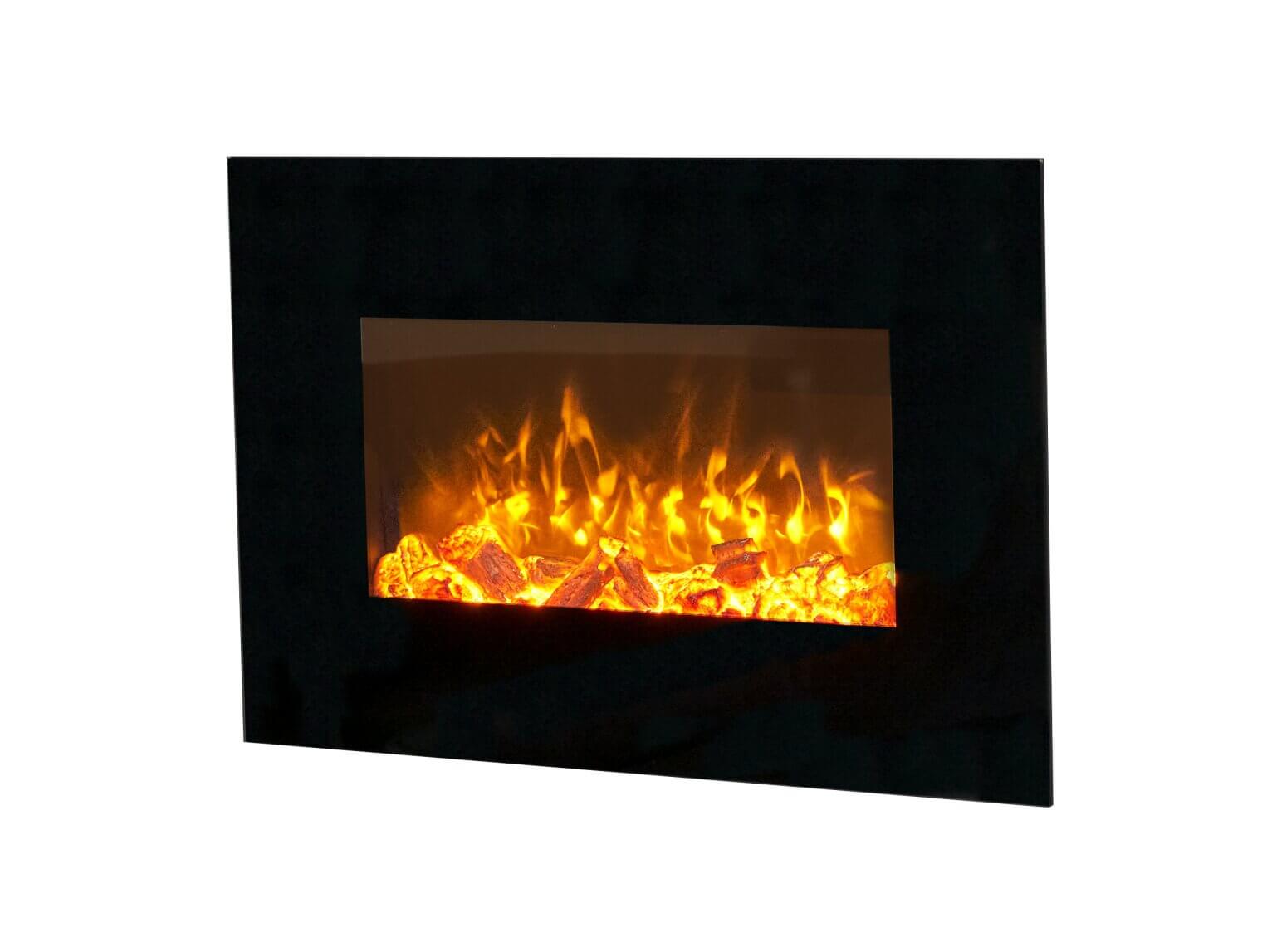


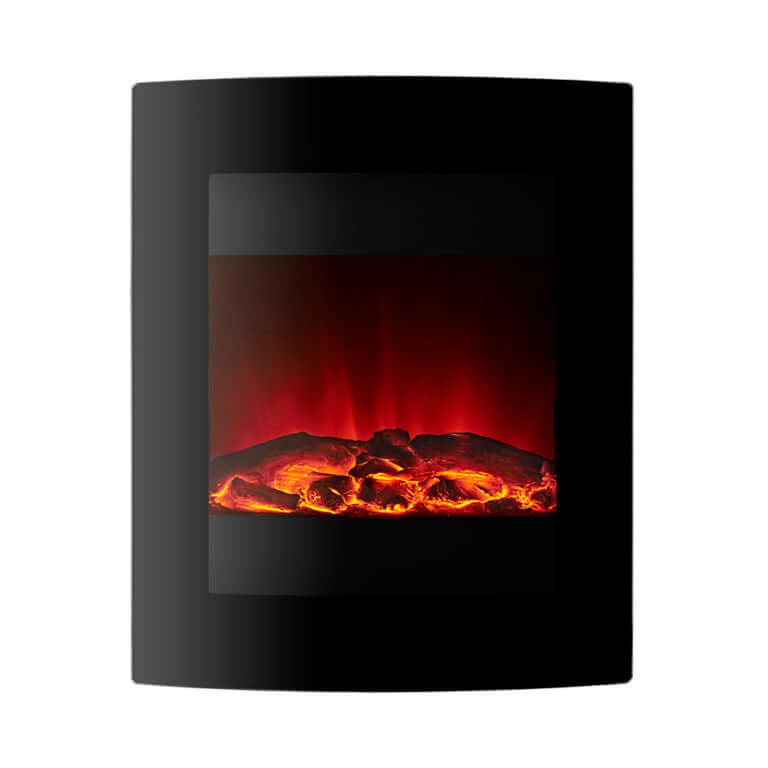
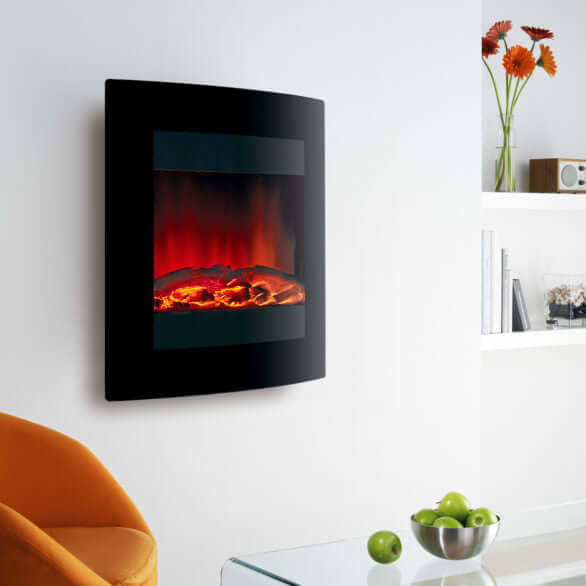

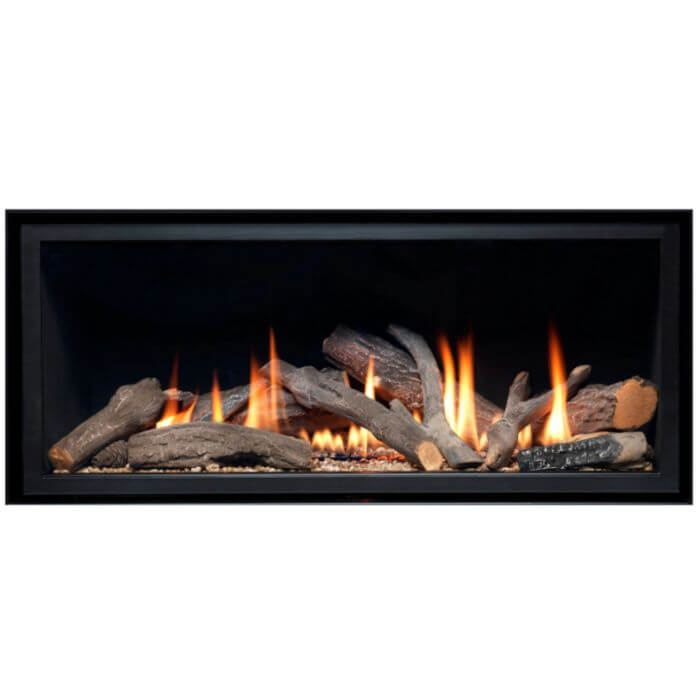
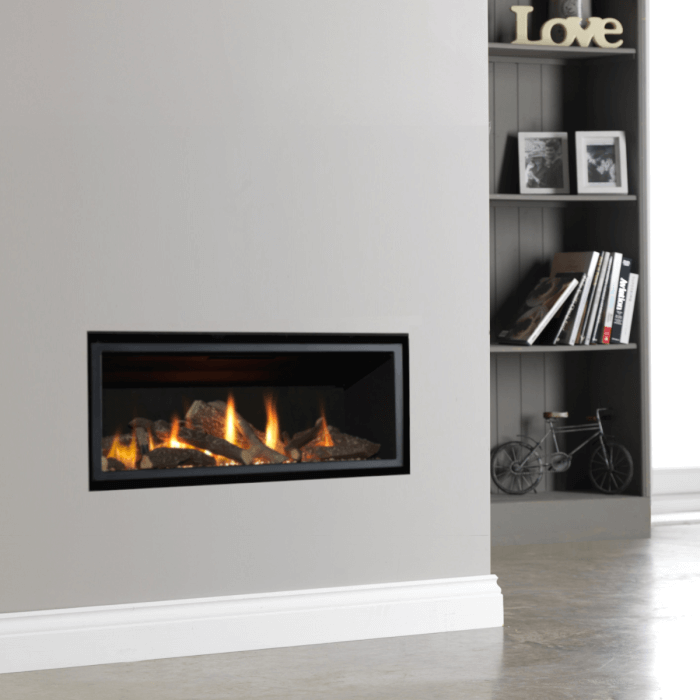
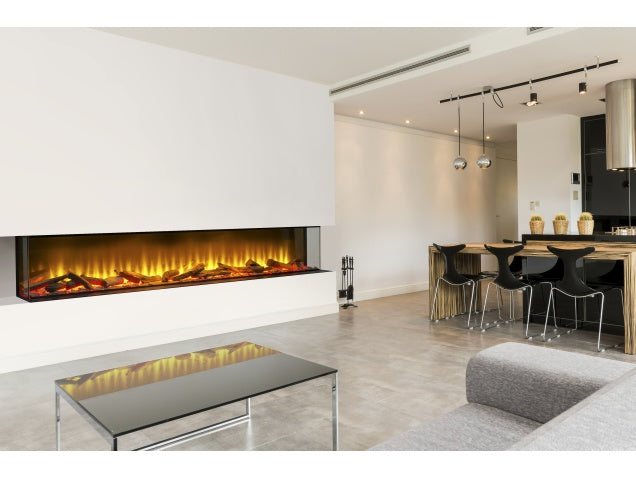
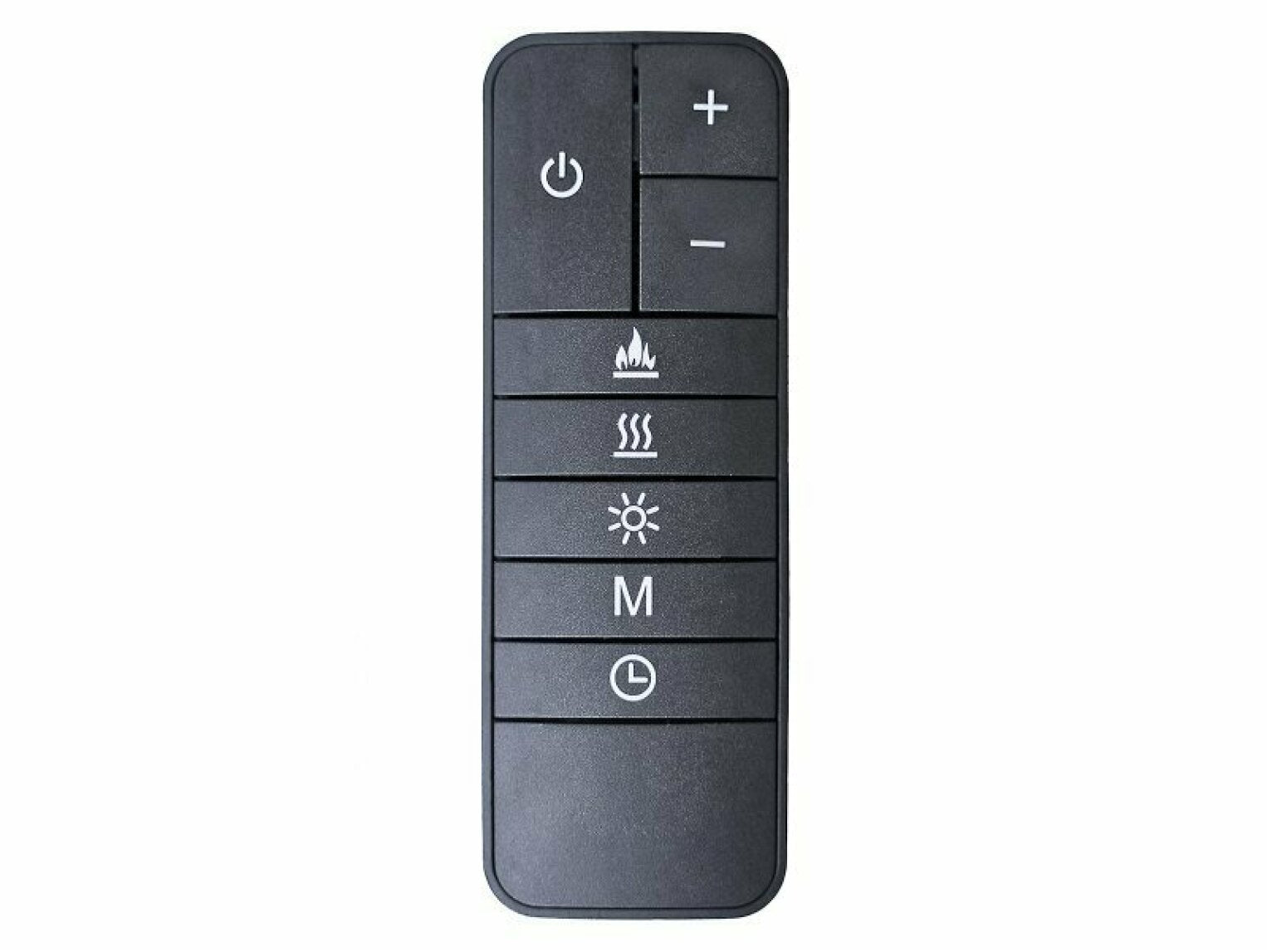


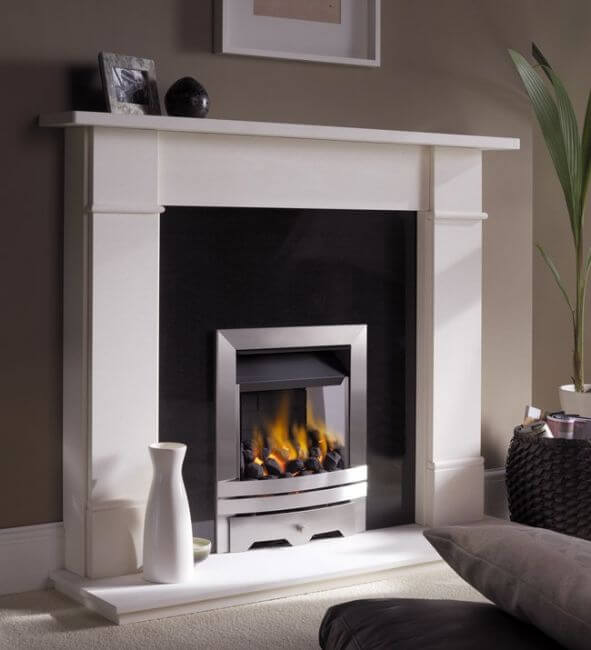

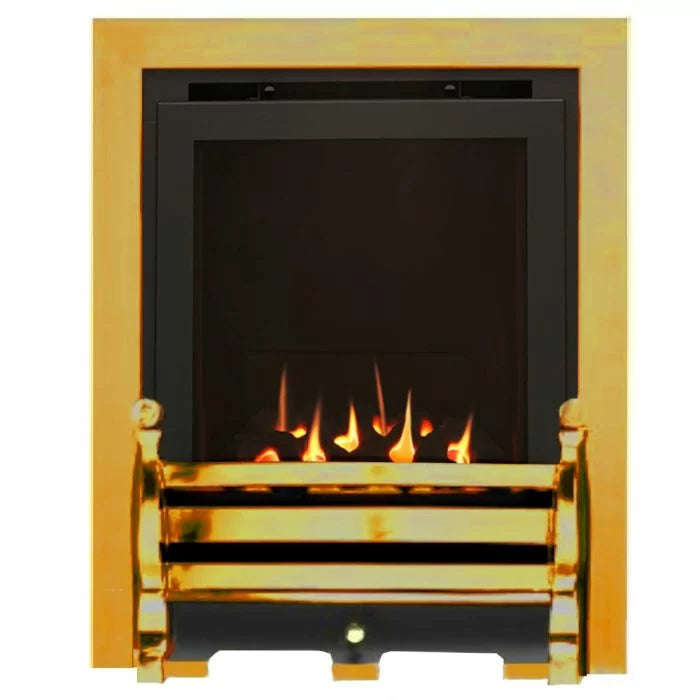
A remote-controlled inset fire represents the pinnacle of modern fireplace convenience. While traditional inset fires require manual ignition—often involving kneeling on the floor to reach hidden controls—a remote-operated system brings the power of instant warmth to your fingertips.
At Glowing Flames, our collection focuses on "Intelligent Heating." These units are recessed directly into your wall or chimney breast, providing a space-saving, flush finish that transforms your room’s aesthetic while offering unparalleled ease of use.
Choosing a remote-operated model over a manual one provides more than just convenience; it offers a level of precision that improves the efficiency of your home.
When deciding on your new installation, it helps to understand the practical benefits of a remote system compared to standard manual units:
Ignition Method: Manual fires require a physical sequence (often pushing and turning a dial), while remote models offer "one-touch" instant ignition.
Visual Cleanliness: Manual fires require accessible knobs and switches, often hidden behind a hinged flap. Remote fires hide all controls internally, allowing for a much cleaner and more minimalist "hole-in-the-wall" look.
Safety Features: Remote systems often include a "Child Lock" and a safety shut-off timer, providing extra peace of mind that a manual dial cannot offer.
Energy Efficiency: Because remotes offer more precise temperature increments and timer functions, you are less likely to leave the fire running longer than necessary, helping to reduce your monthly energy bills.
Does the remote control require a line-of-sight to work?
Most modern fireplace remotes use Radio Frequency (RF) or Bluetooth technology, meaning you don't necessarily need to point the remote directly at the fire. You can often adjust the settings from across the room or even from an adjacent open-plan area.
Can I control multiple fires with one remote?
Generally, remotes are "paired" to a specific unit to avoid interference. However, some of our advanced smart-home compatible models can be synced to a single app on your smartphone, allowing you to manage multiple fires throughout the house.
Is it safe to leave the remote near the fire?
While the remotes are durable, we recommend keeping them on a side table or a dedicated wall mount. Avoid placing the remote directly on a mantelpiece or hearth where rising heat could damage the internal electronics or the batteries.
What happens if the batteries in the fire unit run out?
Most remote-controlled gas and electric fires have a backup manual control panel located behind the bottom fret or fascia. This ensures that even if you have a power cut or flat batteries, you can still operate your heating safely.


 Outdoor Living
 Outdoor Cooking
 Outdoor Heating
 Garden Buildings
 Indoor Heating
 DEALS
DEALS