

If you have recently upgraded to a high-performance ceramic or Masonry BBQ, you have likely noticed how incredible they are at sealing in heat. However, that airtight seal comes with a physical phenomenon that every outdoor cook needs to respect: the backdraft.
Opening a hot lid too quickly can lead to a sudden, aggressive rush of flames that is enough to singe arm hair and eyebrows. This isn't a fault with the grill; it is a simple matter of oxygen starvation. Learning the "burping" technique is the most important safety habit you can develop for charcoal cooking.
At A Glance: How to "Burp" Your BBQ and Avoid Backdraft
-
The Problem: Opening an airtight lid provides a sudden "gulp" of oxygen to a fuel-starved fire, causing a dangerous flash of flame.
-
The Cause: When vents are narrowed for low and slow cooking, combustible gases build up inside the dome.
-
The Fix: "Burp" the grill by opening the lid just two inches for five seconds before fully lifting it.
The Science of the Flashover
In a traditional open grill, the fire has constant access to oxygen. In a Kamado or a sealed built-in BBQ, we control the temperature by "choking" the fire. When you are cooking at 110°C or 150°C, the charcoal is smouldering in an oxygen-depleted environment.
This smouldering process creates combustible gases that hover just above the coals. Because there isn't enough air for them to ignite, they sit in a "superheated" state. The moment you swing the lid open, you introduce a massive volume of fresh air. Those gases ignite instantly, creating a fireball that rushes out of the only available exit—the opening you just created.
How to Properly "Burp" Your BBQ
Burping is a simple three-step process that should become second nature every time you reach for the handle.
-
The Initial Crack: Raise the lid only about two inches (5cm). Do not open it any further.
-
The Wait: Hold the lid at that height for five to ten seconds. You might hear a small "whoosh" or see the smoke change colour. This is the combustible gas burning off safely in a small, controlled way.
-
The Full Lift: Once the "whoosh" has subsided, you can safely lift the lid the rest of the way to check your food.
When is the Risk Highest?
While you should burp your grill during every cook, there are certain conditions where the risk of a backdraft is significantly higher:
-
After a Long Low-and-Slow: If the vents have been nearly closed for hours, the concentration of unburnt gases is at its peak.
-
Directly After Adding Wood: Fresh wood chips or chunks produce a high volume of flammable gas as they begin to smoke.
-
High Heat Roasting: If you have the grill running hot and then shut the vents to "settle" the temp, the firebox is primed for a flashover the second it gets air.
Safety First: Positioning
Beyond the burp, your physical stance matters. Always stand to the side of the lid handle rather than leaning directly over the top of the BBQ. Ensure your face is not in the direct "flight path" of the air escaping the dome.
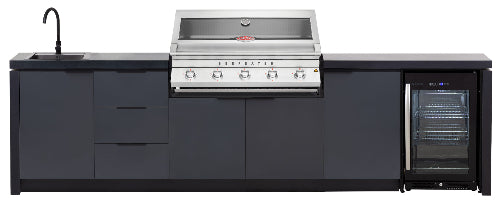
If you are using a built in BBQ island, ensure your guests and children are coached to stay back when the lid is being opened. It is a spectacular sight when done correctly, but a frightening one if you are caught off guard.
The Verdict
A sealed charcoal grill is a powerful tool, but like any piece of high performance equipment, it requires a specific operational technique. Burping your BBQ ensures that the transition of oxygen is controlled and safe. It protects your grill, your food, and—most importantly your eyebrows.