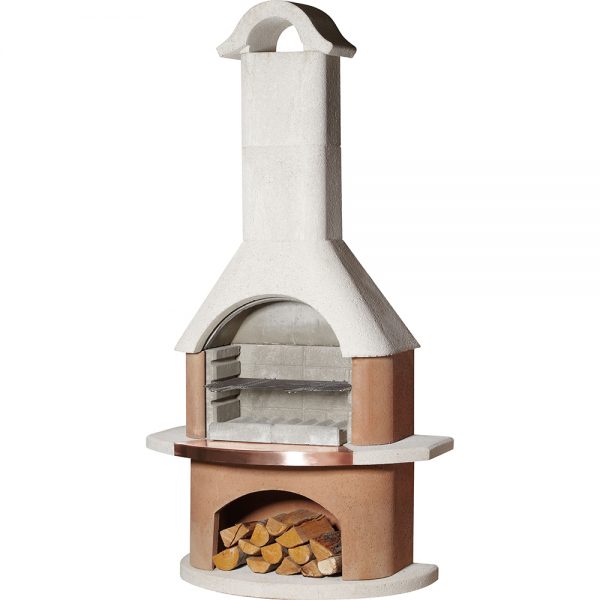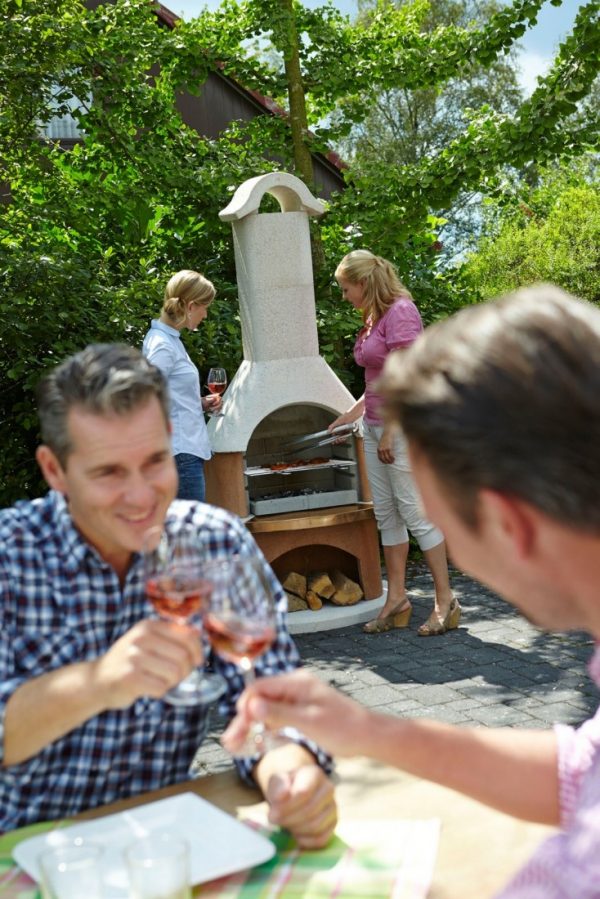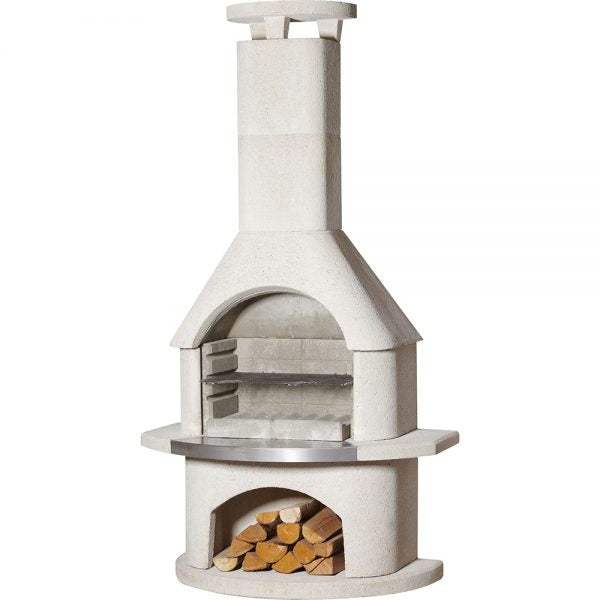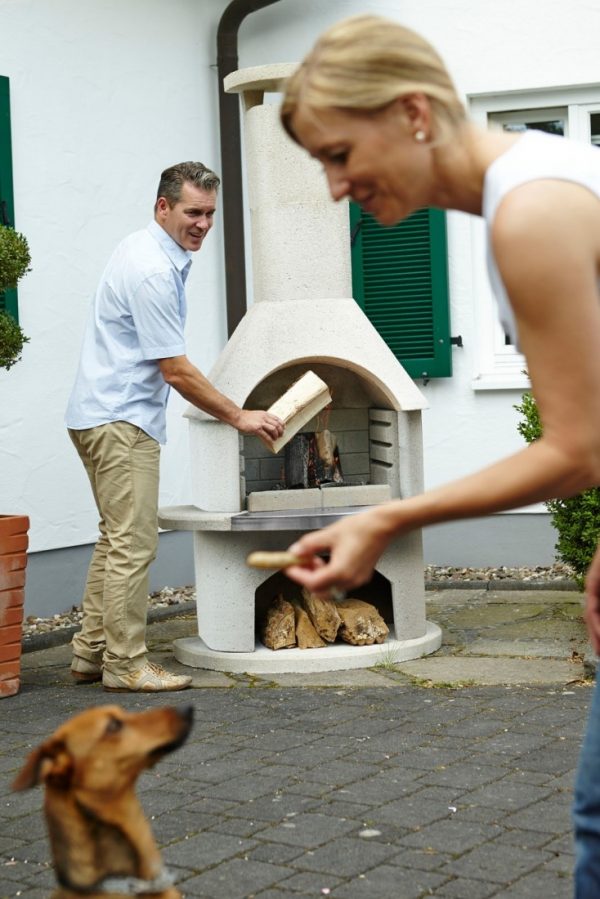


A Masonry BBQ is a lifetime investment, but like any stone structure exposed to the elements, it requires a specific maintenance regime. From the moment the pallet arrives to the first winter frost, here is how to protect your outdoor centrepiece.
At A Glance:
-
Sealant Tips: Apply a water-repellent breathable sealant annually to prevent algae.
-
Winter Preparation: Use a dedicated cover and store metal components indoors.
-
Cleaning Guide: Pressure wash on a low setting; avoid harsh chemical degreasers.
Should I paint my masonry BBQ?
Answer: Only if the unit is made of "raw" grey refractory concrete. These models are designed to be customised with masonry paint to match your garden. However, if your Masonry BBQ features a Marmotech, Quartz, or pre-coloured finish, you should never paint it. These premium materials are breathable; applying paint can trap moisture within the stone, leading to "bubbling" or structural spalling during the freeze-thaw cycle of a UK winter.
Assembly Reality: The "Delivery Day" Checklist
Most masonry BBQs are delivered via a "Curbside Pallet" service. Because a single unit can weigh over 500kg, preparation is essential to avoid a logistical nightmare.
-
Access Check: Ensure your property can accommodate a 7.5-tonne or 18-tonne tail-lift lorry. Pallet trucks cannot move over gravel, grass, or steep inclines.
-
Transit Inspection: Before the driver leaves, check the firebox and mantle for "transit cracks." Hairline surface marks are normal in stone, but structural splits should be noted on the delivery note.
-
Adhesive Preparedness: Most kits require high-temperature silicone or a specific masonry adhesive (like Betofast). Check if your kit includes this; if not, have two tubes of heat-rated (1,000°C+) adhesive ready before you start the build.
-
The Lifting Crew: Do not attempt this alone. You need at least two, ideally three, able-bodied people to lift the heavy chimney and firebox sections into place safely.
Technical Review: The Maintenance Lifecycle
1. The "Breathability" Factor
The biggest threat to a Masonry BBQ in the UK is water ingress.
-
The Engineering: Refractory concrete is porous. In winter, absorbed water freezes, expands by 9%, and creates micro-fissures.
-
The Solution: Use a Siloxane-based transparent sealant. This creates a hydrophobic barrier that sheds water while allowing internal moisture vapour to escape.
2. Winter Protection Protocol
-
The Cover: A common mistake on r/UKBBQ is using a non-breathable plastic tarp. This creates a "greenhouse effect," accelerating algae growth. Use a heavy-duty, UV-stabilised, breathable fabric cover. Shop here.
-
Metal Care: Remove the chrome or stainless steel grill racks in October. Even "rust-resistant" metals will pit and corrode if left in a damp BBQ chamber for four months.
3. Cleaning without Damage
If your BBQ develops soot stains or algae:
-
Pressure Washing: Use a wide-fan nozzle and keep it at least 30cm from the surface. A "pencil jet" setting can etch the concrete and ruin the finish.
-
Efflorescence: You may notice white, powdery salt marks on new units. This is "efflorescence", a natural process where salts migrate to the surface. Do not paint over this; simply brush it off with a stiff nylon brush.
Information Gain: Repairing "Heat Cracks"
It is a technical reality that 90% of masonry BBQs will develop a hairline crack at some point. This is often not a structural failure but a stress relief point.
-
The Fix: Do not use standard mortar to fill these. Use a mixture of masonry adhesive and "stone dust" (which you can sand from a hidden part of the BBQ). This creates a flexible patch that expands at the same rate as the main body.
Maintenance Comparison: Annual Schedule
|
Season |
Task |
Tool Required |
|
Spring |
De-winterize & Seal |
Siloxane Sealant |
|
Summer |
Deep Clean Grate |
Wire Brush / Degreaser |
|
Autumn |
Component Storage |
Indoor Shed/Garage |
|
Winter |
Moisture Check |
Breathable Cover |