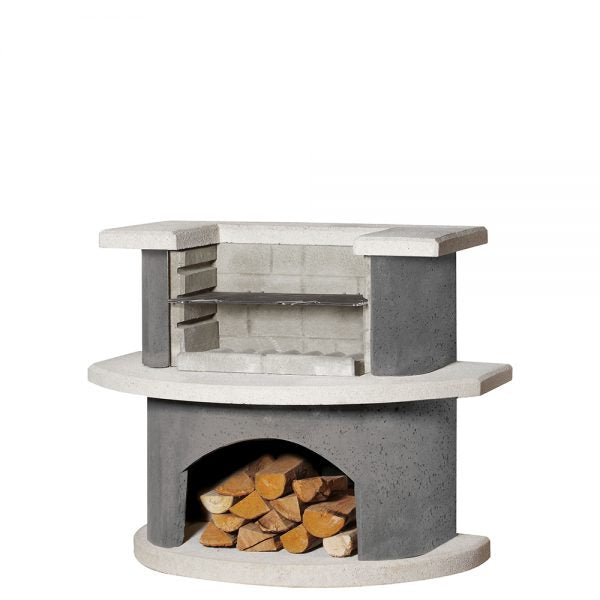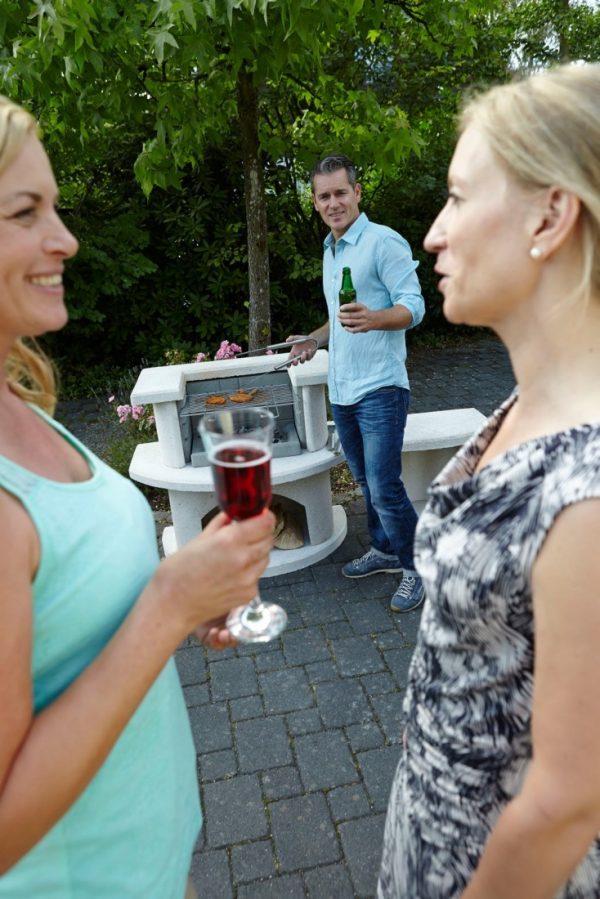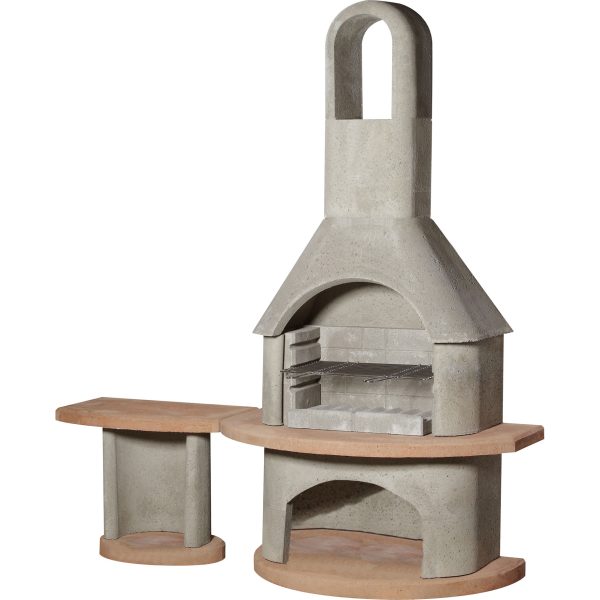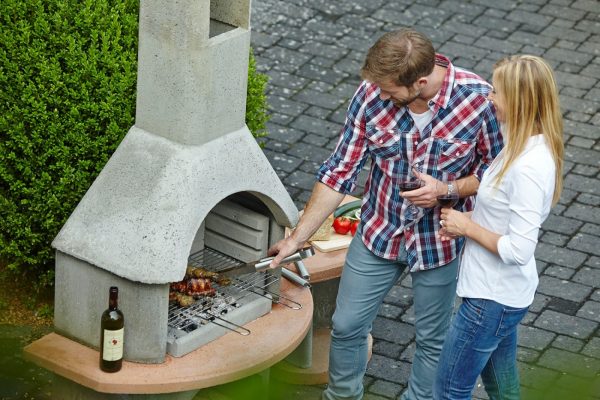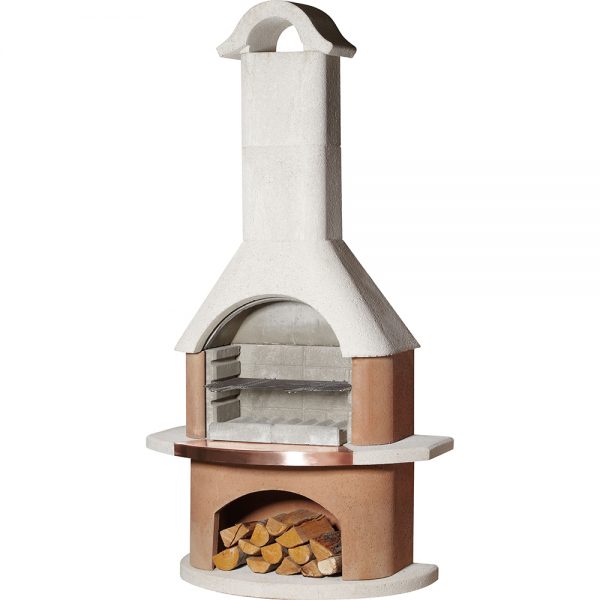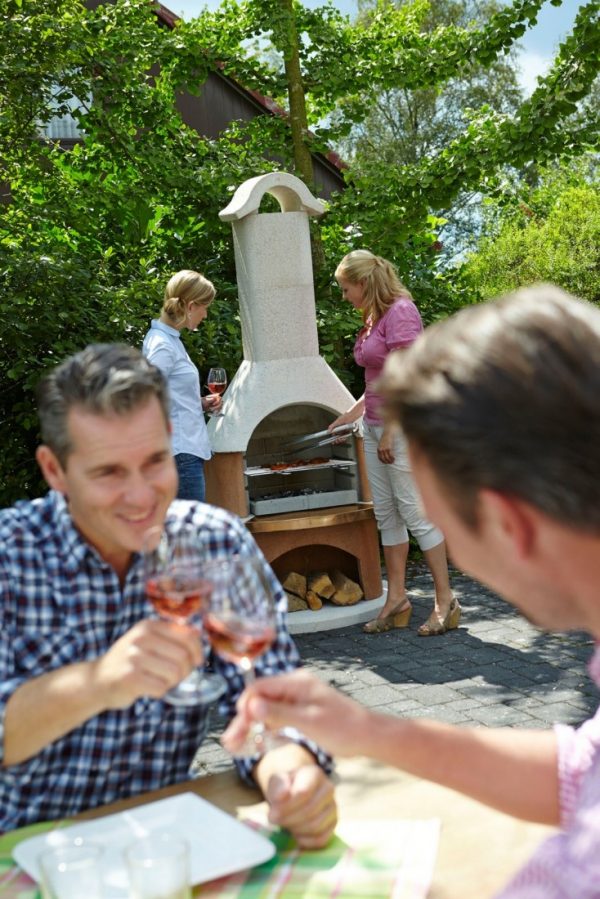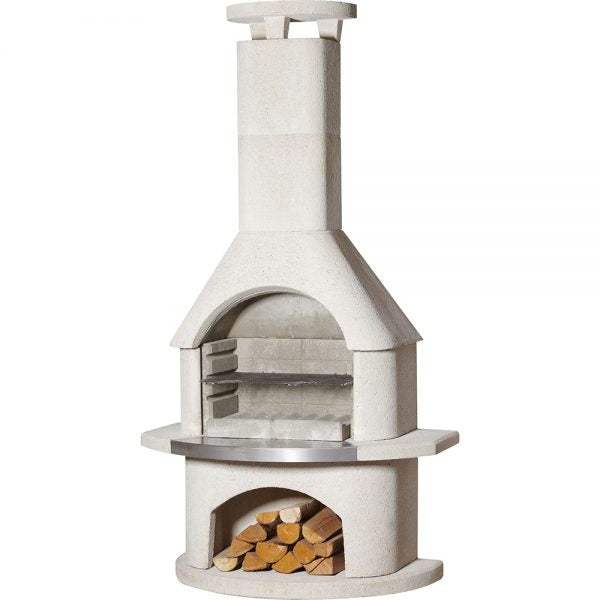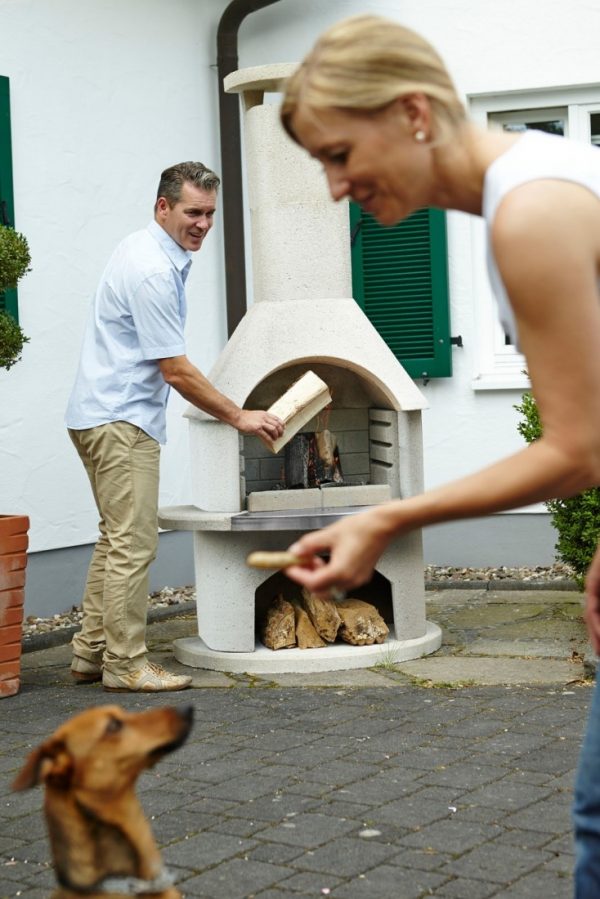


A Masonry BBQ is a great addition to your home. Getting the selection right requires looking beyond the aesthetics and into the structural and culinary requirements of your outdoor space.
At A Glance:
-
Check Floor Loading: Ensure your patio or deck can handle a "dead load" of up to 1,000kg.
-
Wood vs Charcoal: Decide if you want "ambient fire" (wood) or "precision cooking" (charcoal).
-
Height Adjustability: Look for models with at least 3 to 4 grill levels for heat control.
Direct Heating: Do I need a professional to install a masonry BBQ?
Answer: Most confident DIYers can handle the assembly, but this is not a solo Sunday project. You will need at least two strong people, as individual components like the mantle or the firebox can weigh 80kg to 120kg.
While the assembly involves "stacking" components with high-temperature adhesive, the most critical part is the foundation. If your base isn't perfectly level, the weight distribution will be uneven, which can lead to structural stress cracks over time as the unit settles.
Technical Review: The Foundation Engineering
Because Masonry BBQs exert immense "point loading" pressure, you cannot simply place them on standard garden pavers or lawn. Over one winter, the ground could shift, and your BBQ could tilt or sink.
The C24 Concrete Specification
For a permanent installation, we recommend a dedicated concrete pad:
-
The Material: Use C24 grade concrete, also known as RC24/30. This is a professional-grade mix designed specifically for external slabs and foundations. It has the compressive strength required to support a 600kg unit without internal shearing or crumbling.
-
Depth: The pad should be at least 10cm (100mm) thick.
-
Sub-Base: Beneath the concrete, you need a 50mm-75mm layer of compacted MOT Type 1 (crushed stone). This ensures proper drainage and prevents "ground heave" during UK frosts.
Technical Detail: Choosing Your Fuel System
The "Fuel Type" choice dictates the internal engineering of the BBQ you should buy.
1. Charcoal-Only Models
-
Design: These usually have a single-wall construction.
-
Pros: Smaller footprint and more affordable.
-
Cons: Using logs in these can cause "Thermal Shock," leading to large structural cracks as the concrete expands too rapidly.
2. Dual-Fuel / Wood-Fired Models (e.g., Buschbeck)
-
Design: These feature a "Double-Skin" or are lined with refractory firebricks.
-
The Science: The inner lining absorbs the intense 600°C+ heat of a wood fire, while the outer skin stays relatively stable. This is essential if you plan to use the BBQ as a patio heater/outdoor fireplace after cooking.
Information Gain: The "Grill-to-Guest" Ratio
When choosing a size, don't just look at the external dimensions. Look at the Internal Grill Area.
- Small (Up to 1,800cm2): Best for a family of four. Typical grill size is roughly 45 x 40cm.
- Medium (1,800 to 2,400 cm2): The "Sweet Spot." Gives you the width needed for genuine two-zone cooking (coals on one side for searing, a cooler zone on the other for indirect roasting). Typical grill size is roughly 55 x 40cm.
- Large (2,400 cm2): Essential for hosting groups of 10 or more. Note that these substantial units often require a 1.2m wide concrete or masonry foundation.
Pro Tip:
A common regret on r/UKBBQ is buying a unit where the grill height isn't adjustable. In a Masonry BBQ, you cannot "turn down the gas." Your only temperature control is the distance between the meat and the coals. Ensure your chosen model has at least three slots for the grill grate.