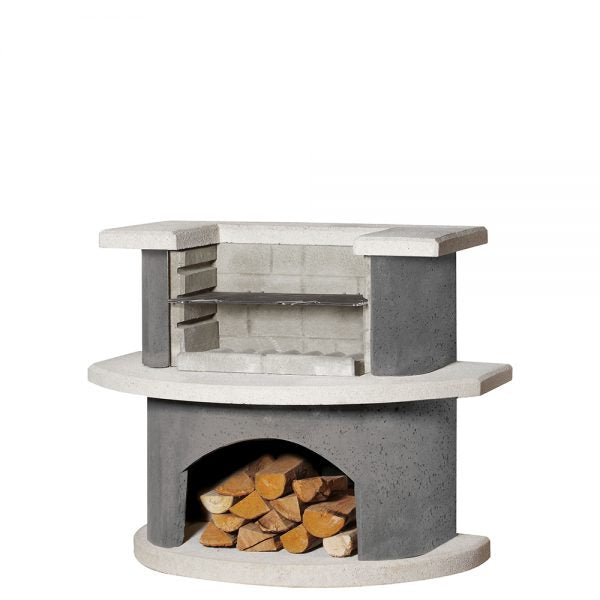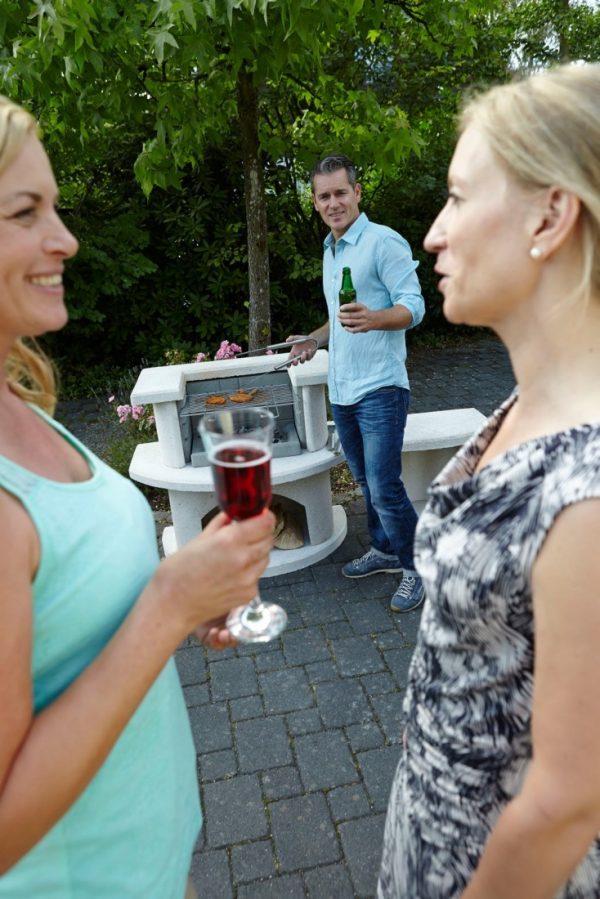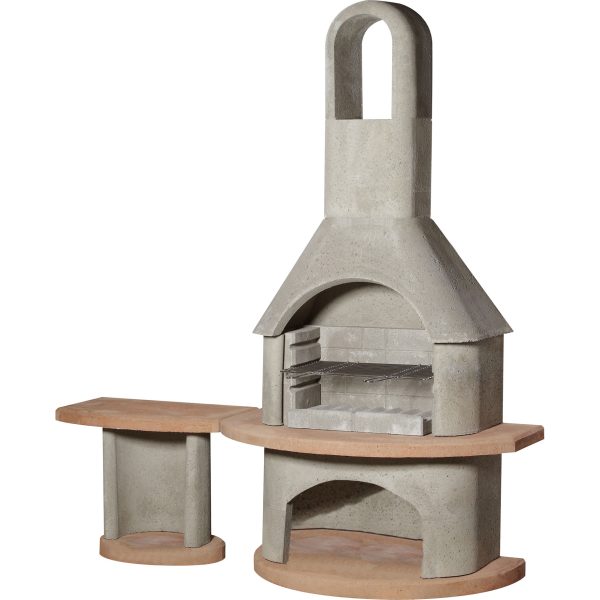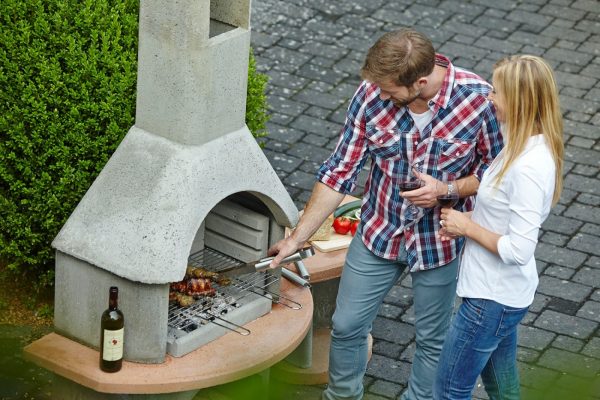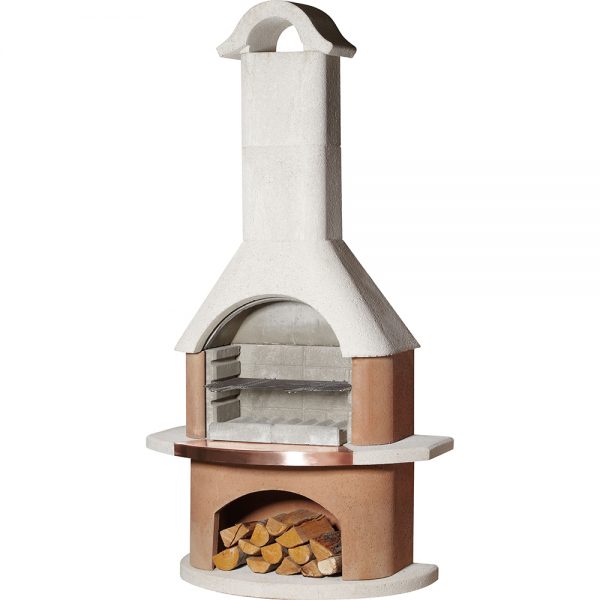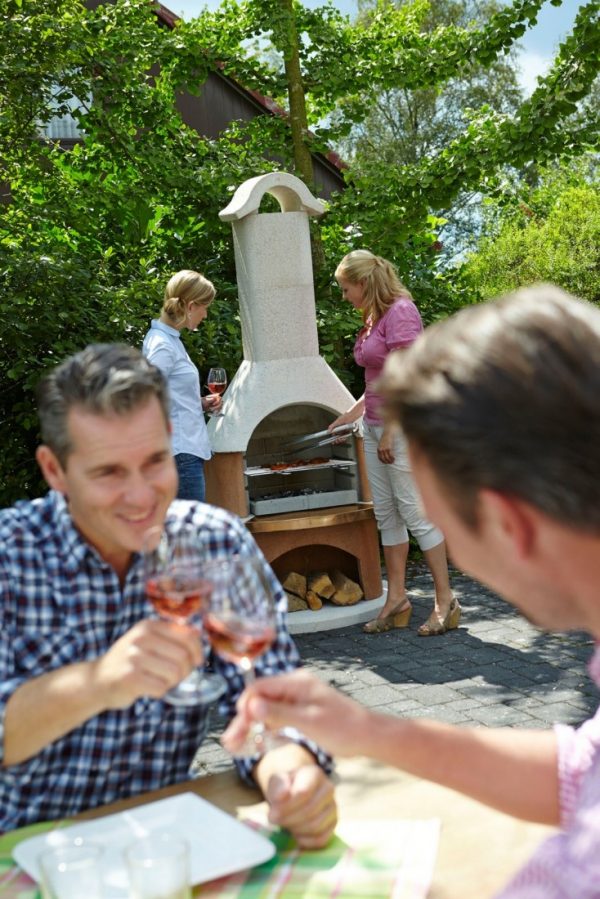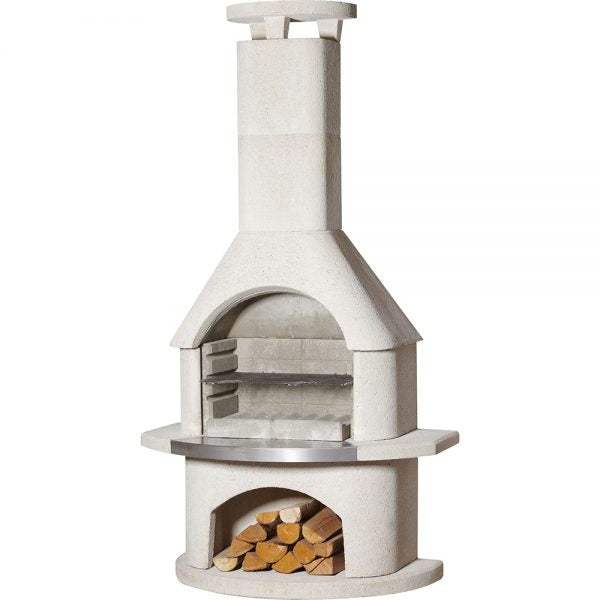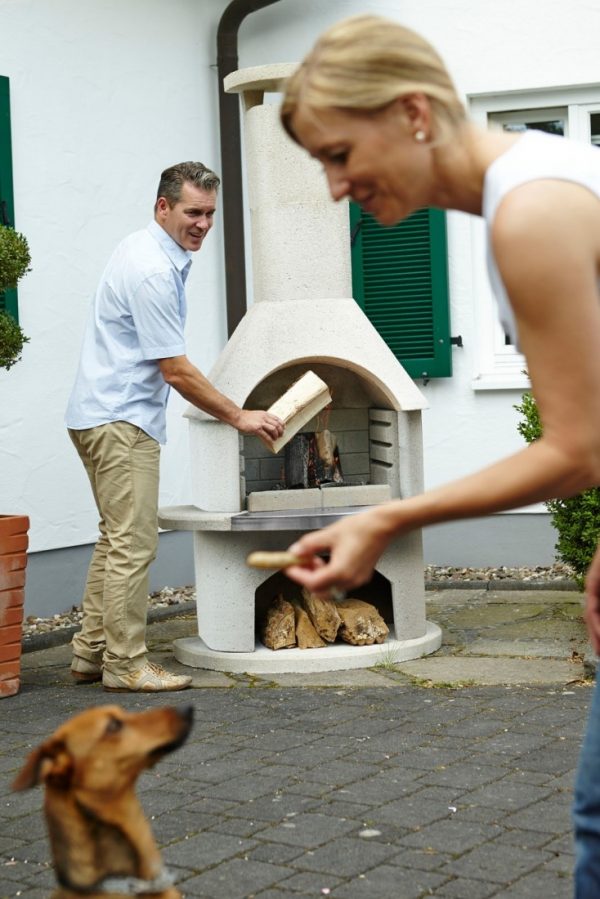


The primary advantage of a Masonry BBQ over a traditional grill is its ability to hold and radiate heat. This turns the firebox into a versatile cooking chamber that can function as a high-heat pizza oven, a precision steak searer, or a slow-roasting "low and slow" pit.
At A Glance:
-
Pizza Stone Add-ons: Converts the grill into a 400°C stone-baked oven.
-
Rotisserie Ready: Many models feature pre-drilled holes for battery-operated spits.
-
Slow Roasting Potential: Use residual heat for 4-hour succulent roasts.
Can I bake bread in a masonry BBQ?
Answer: Yes. By utilising the "residual heat" after your main cooking session, the masonry chamber acts exactly like a traditional village bread oven. Once the fire has died down and the embers are cleared, the stone maintains a steady, "falling heat." This environment provides the consistent temperature and radiant energy required to achieve a professional-grade crust and a soft, airy crumb in artisanal loaves.
Technical Review: Creating Indirect Zones
To master roasts or delicate fish, you must understand how to manipulate the Masonry BBQ environment. Unlike a gas BBQ with "knobs," you control the heat by managing the Thermal Path.
1. The Heat Deflector / Pizza Stone Method
In a standard setup, the heat is direct (from coals to meat). By placing a Pizza Stone or a dedicated ceramic Heat Deflector between the coals and the food, you create an "Indirect Zone."
-
The Engineering: The deflector blocks the aggressive vertical heat, forcing the energy to travel around the sides and reflect off the masonry dome.
-
The Benefit: This creates a convection current. Instead of searing the bottom of your roast, the BBQ cooks it from all sides simultaneously, much like a domestic fan oven, but with the added flavour of wood or charcoal.
2. The "Two-Zone" Setup
Because our masonry BBQs offer wider grill areas (up to 2,400cm2), you can utilise Two-Zone Cooking:
-
The Direct Zone: Pile coals on the left for high-heat searing (300°C+).
-
The Indirect Zone: Keep the right side empty. Place your meat here to finish cooking through slowly, protected by the cool air pocket but supported by the radiant warmth of the stone walls.
Information Gain: The "Maillard Reaction" on Stone
Why do steaks taste better on Masonry BBQ? It’s the Infrared Boost.
-
Steel Grills: Rely on the metal bars of the grate to conduct heat into the meat.
-
Masonry BBQs: The entire firebox emits Far-Infrared radiation. This energy penetrates the surface of the meat more efficiently, accelerating the Maillard Reaction (the chemical reaction between amino acids and reducing sugars that gives browned food its distinctive flavour) without overcooking the centre.
Expert Tip: The "Pizza Peak"
To get the best pizza results, use a Kiln-Dried Birch log fire. Birch burns quickly and cleanly, pushing the masonry temperature toward 400°C. Place your pizza stone in 20 minutes before cooking to ensure the base is "thermally saturated". This prevents a soggy bottom and ensures a 90-second cook time.
Cooking Performance Table
|
Cooking Method |
Temperature |
Best Fuel |
Accessories Needed |
|
Searing Steaks |
300 to 350°C |
Lumpwood Charcoal |
Cast Iron Grate |
|
Pizza Baking |
380 to 450°C |
Kiln-Dried Wood |
Pizza Stone |
|
Slow Roasting |
140 to 160°C |
Charcoal + Deflector |
Heat Deflector / Drip Pan |
|
Bread Baking |
200 to 180°C |
Residual Heat Only |
Baking Stone |