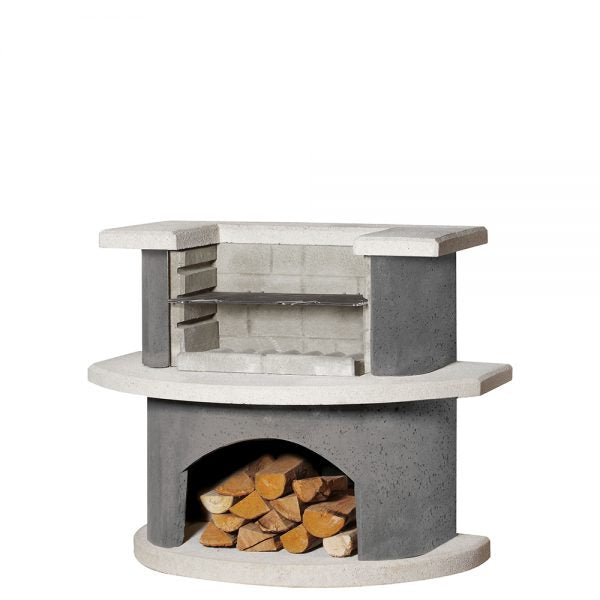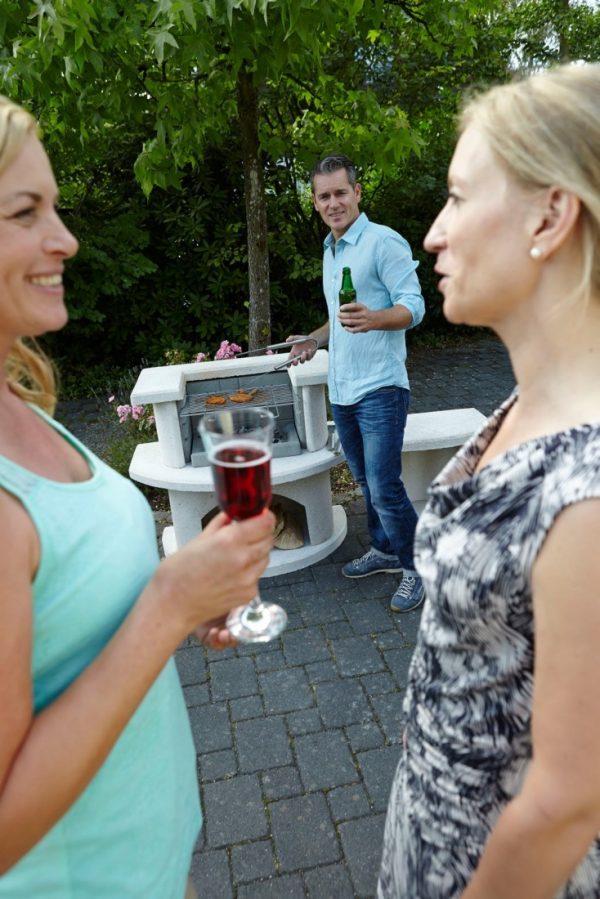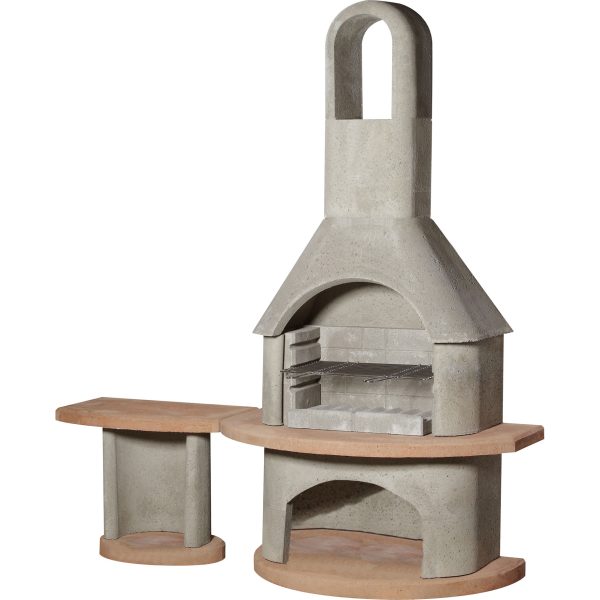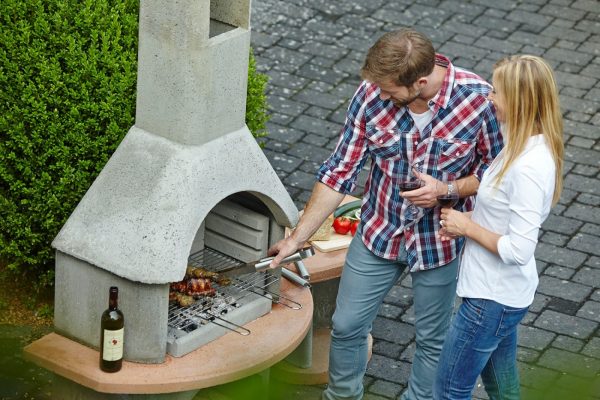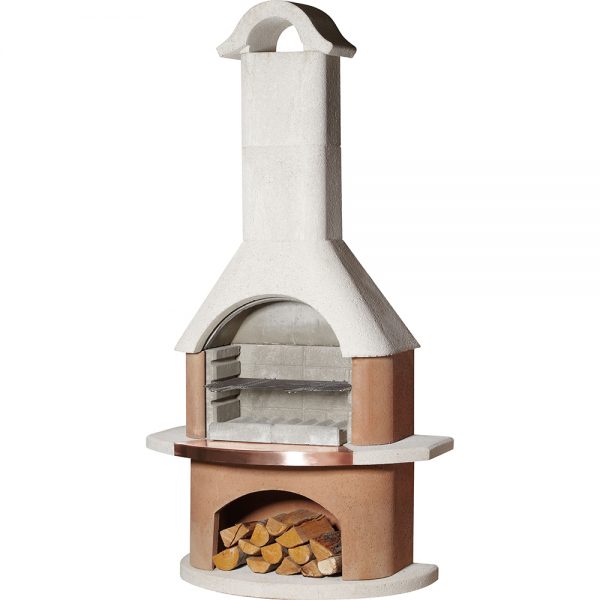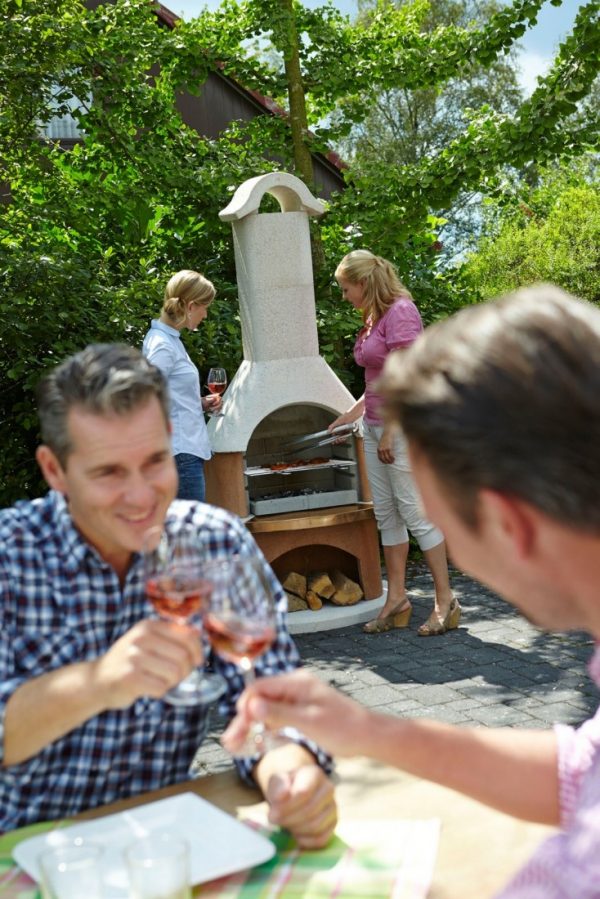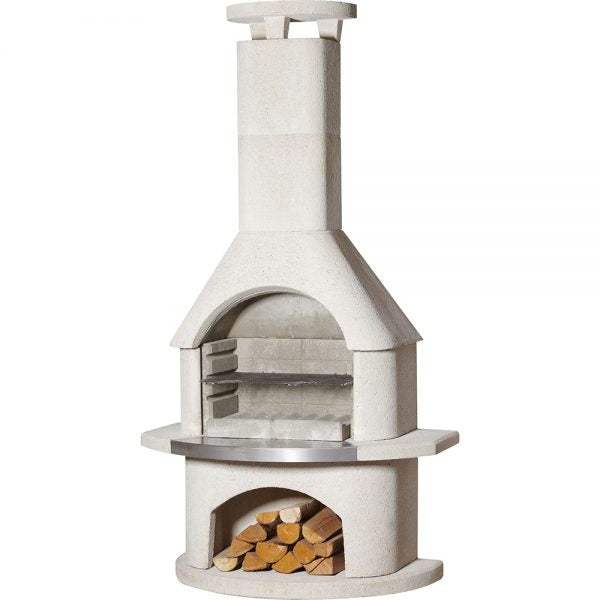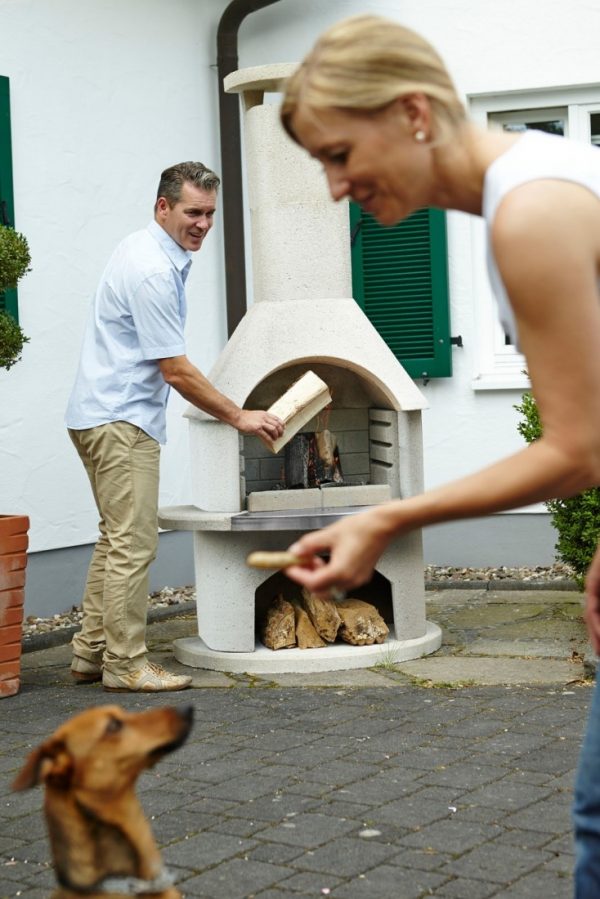


In the world of outdoor cooking, the most significant difference between a standard steel BBQ and a Masonry BBQ unit is how they manage energy. One is a conductor; the other is a battery.
At A Glance:
-
Steady Temps: Masonry BBQ are virtually unaffected by wind or ambient temperature drops.
-
Fuel Efficiency: Masonry BBQ use the stone's "residual heat" to cook for hours.
-
Lifetime Durability: Masonry BBQ do no rust, no thin-metal burnout, and has no hinges to break.
Direct Heating: Why do Masonry BBQ cook better than steel?
Answer: It comes down to Thermal Mass and Far-Infrared Radiation.
When you cook on a thin steel grill, the heat is "aggressive." The fire heats the air (convection), which then hits the meat. This process is highly inefficient and tends to dry out the exterior of the food before the interior is cooked.
A Masonry BBQ works differently. Once the stone or marmotech structure is heated, it stores that energy and releases it as Far-Infrared heat. Unlike hot air, infrared waves penetrate the food evenly. This allows you to achieve a perfect "crust" on a steak while the inside remains succulent. The stone is doing the heavy lifting, not just the flames.
Technical Review: The Engineering of Marmotech
For the highest performance, we recommend units constructed from Marmotech. This isn't just "concrete"; it is a high-tech composite of granulated marble and granite mixed with refractory cement.
Why Marmotech is a "Game Changer":
-
Thermal Conductivity: Because it contains real stone chips (granite/marble), it absorbs heat faster and holds it longer than standard refractory concrete.
-
No Painting Required: Standard masonry BBQs often require a coat of masonry paint to protect the raw concrete from moisture. Marmotech is "self-coloured"—the finish you see is the actual material. This means no peeling, no blistering, and zero maintenance beyond a quick wipe-down.
-
Resistance to Micro-Cracking: The marble granules allow for microscopic movements during thermal expansion, significantly reducing the risk of the visible cracks common in cheaper, sand-based concrete models.
Information Gain: Managing the "Heat Curve"
Understanding the "Heat Curve" is essential for mastering a masonry grill. Steel grills have a "Spike and Drop" curve: you light the coal, it gets incredibly hot, and then the temperature plummets as the metal loses heat to the air.
A masonry BBQ has a "Sustained Plateau" curve.
-
The Build: It takes 20–30 minutes longer to "charge" the stone.
-
The Plateau: Once at temperature, the stone keeps the cooking chamber at a rock-steady heat, regardless of whether you open the grill or if a cold wind picks up.
-
The Descent: This is where the magic happens. After the coals have died down, the stone remains hot enough to bake bread, slow-roast vegetables, or keep side dishes warm for 2 to 3 hours.
Comparison: The Specialist Perspective
|
Feature |
Thin-Walled Steel (Kettle) |
Masonry BBQ (Marmotech) |
|
Primary Heat Type |
Convection (Hot Air) |
Radiant (Far-Infrared) |
|
Wind Sensitivity |
High (Internal temps fluctuate) |
Zero (Stone acts as a windbreak) |
|
Maintenance |
High (Rust, ash pan failure) |
Low (Self-coloured, no rust) |
|
Cooking Style |
Fast & Hot |
Versatile (Sear, Roast, Bake) |
Expert Insight:
One common complaint on reddit/grilling is the "dry burger" syndrome. In our testing, the radiant heat from a Masonry BBQ allows for a ~15% higher moisture retention in ground meats compared to steel grills, simply because the stone doesn't require the aggressive airflow (which dries out meat) that steel needs to stay hot.